How to Tell If Your Septic Tank Is Full
Your septic tank is always full of liquid. That’s normal and it’s how it’s meant to work.
What matters is how much of that volume is solids. Sludge settles on the bottom, scum floats on top, and the working liquid sits in between. Let those layers get thick enough and the tank stops doing its job, and solids start escaping toward your drain field.
That’s the failure you’re trying to catch. Here are the eight signs and what each one actually means.
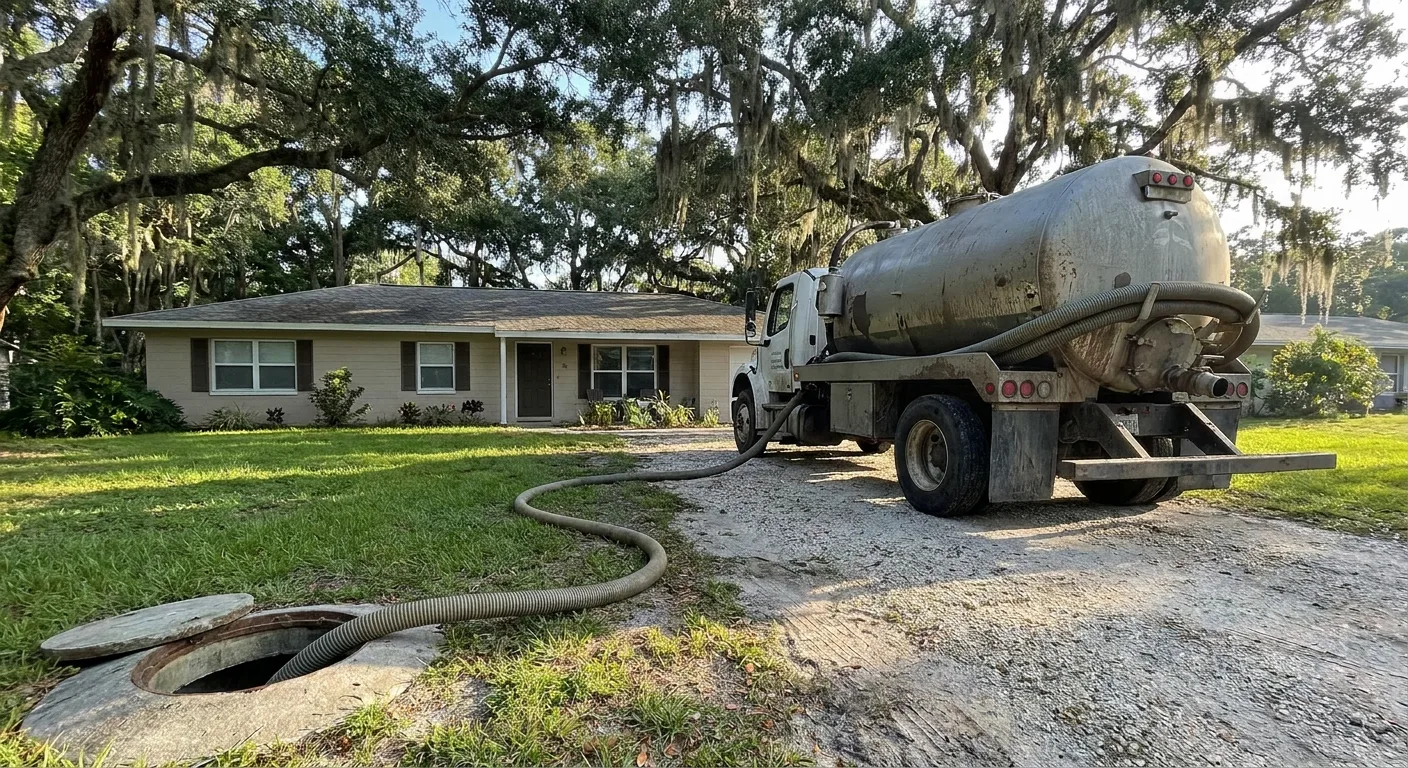
The Eight Warning Signs
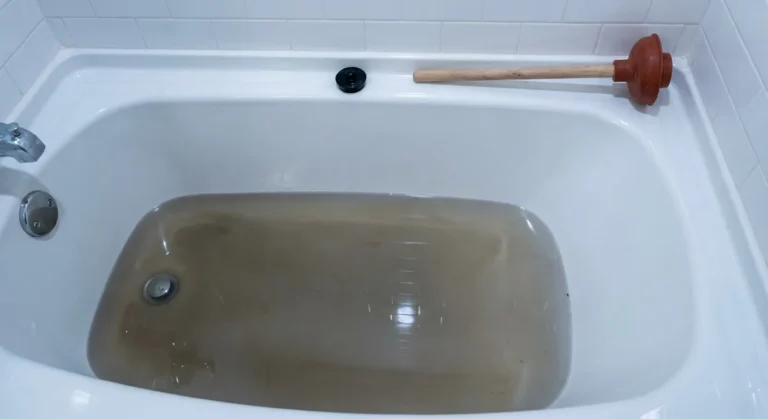
- Slow drains through the whole house. Not one sink. All of them. When every fixture is sluggish, the restriction is downstream of all of them, which means the tank or the line running to it. A single slow fixture is a local clog, not a septic problem.
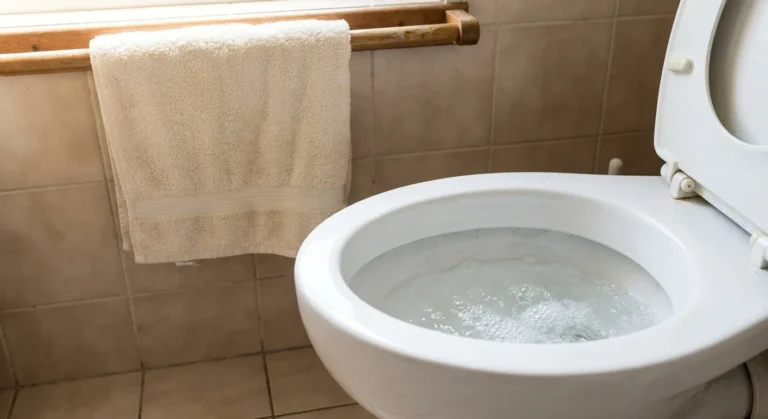
- Gurgling toilets and drains. Air getting pulled through the water in your traps because it can’t flow normally. Often the first thing people notice.
- Toilets needing a second flush. The bowl empties but sluggishly, and solids don’t clear the first time.
- A sewage smell near drains indoors. Sometimes a dry trap or a venting issue rather than the tank, but worth checking.
- A sewage smell outdoors. More concerning. Near the tank suggests a cracked lid or an overfull tank. Near the field suggests the field.
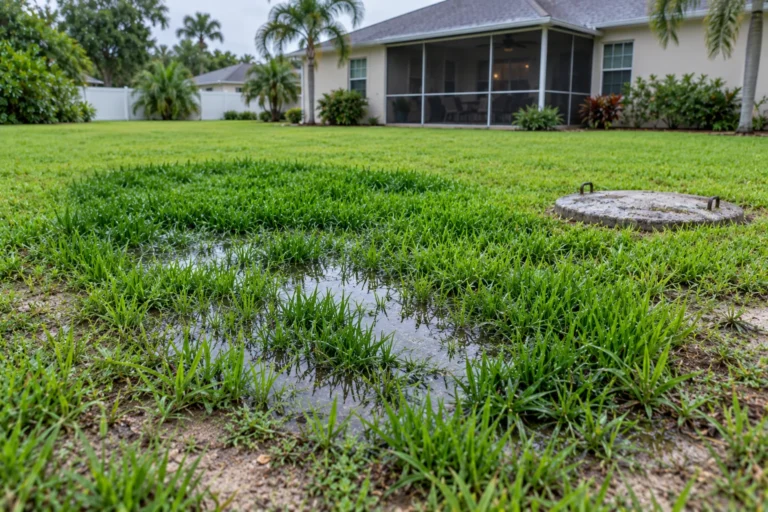
- Wet or spongy ground over the drain field. This one has moved past pumping. Effluent is coming up, which means the field is saturated.
- Grass noticeably greener over the field. Effluent acting as fertilizer. Same category as the one above.
- Sewage coming up into a tub or shower. The lowest drain in the house floods first. Stop using water and call. That’s a health hazard.
Which Signs Mean What
The eight split into two groups, and mixing them up is what costs people money.
Signs 1 through 5 usually mean pumping. The tank is full of solids and needs emptying. That’s a few hundred dollars and a routine call.
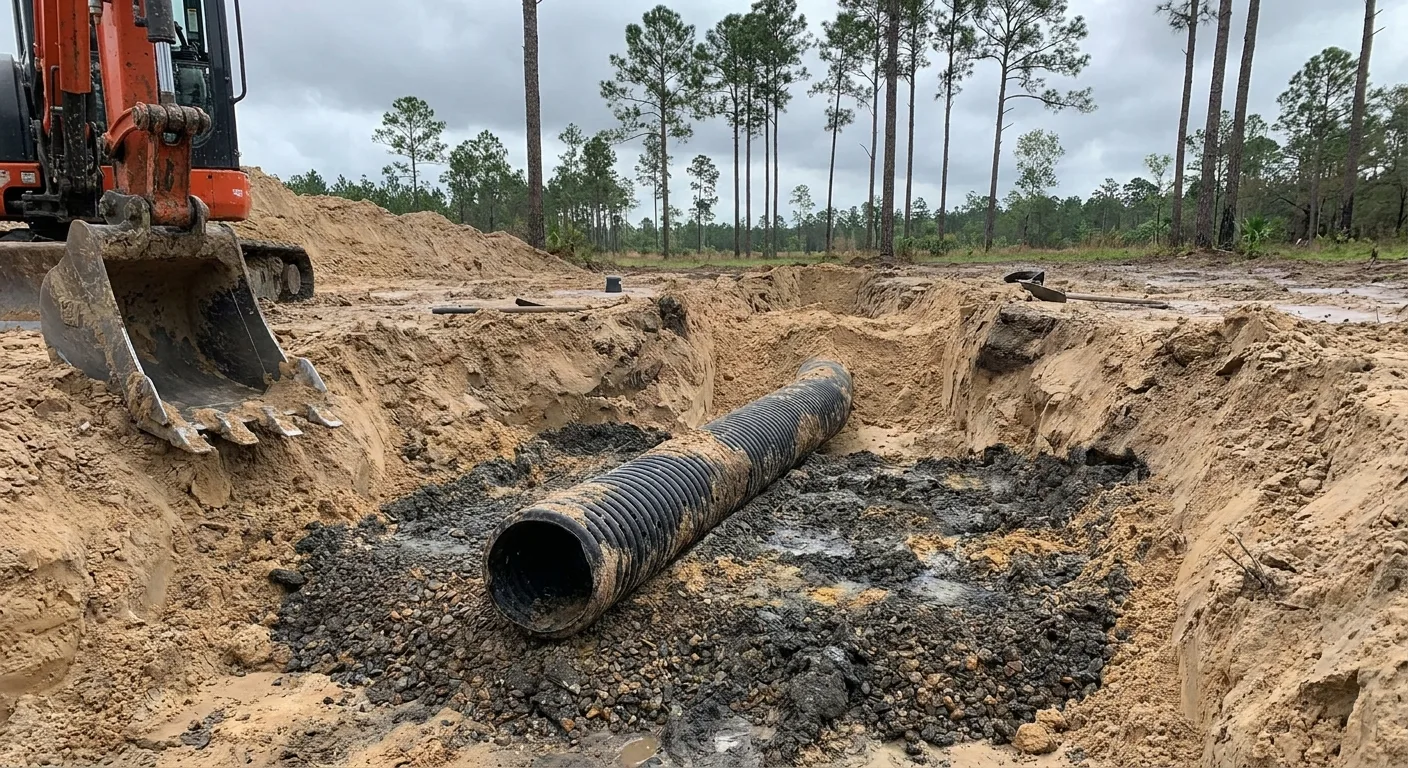
Signs 6 and 7 usually mean the drain field. Wet ground and greener grass aren’t symptoms of a full tank. They’re symptoms of a field that’s quit taking flow. Pumping may ease them for a couple of weeks, but they’ll be back, because the tank refills faster than the soil can absorb. What field failure actually looks like.
Sign 8 could be either, and it needs attention today regardless.
The pattern worth remembering: if the toilet flushes normally and then backs up hours later, the tank is emptying but refilling faster than the field can drain it. That points at the field, not the tank.
There Is a Cheap Explanation Worth Ruling Out First
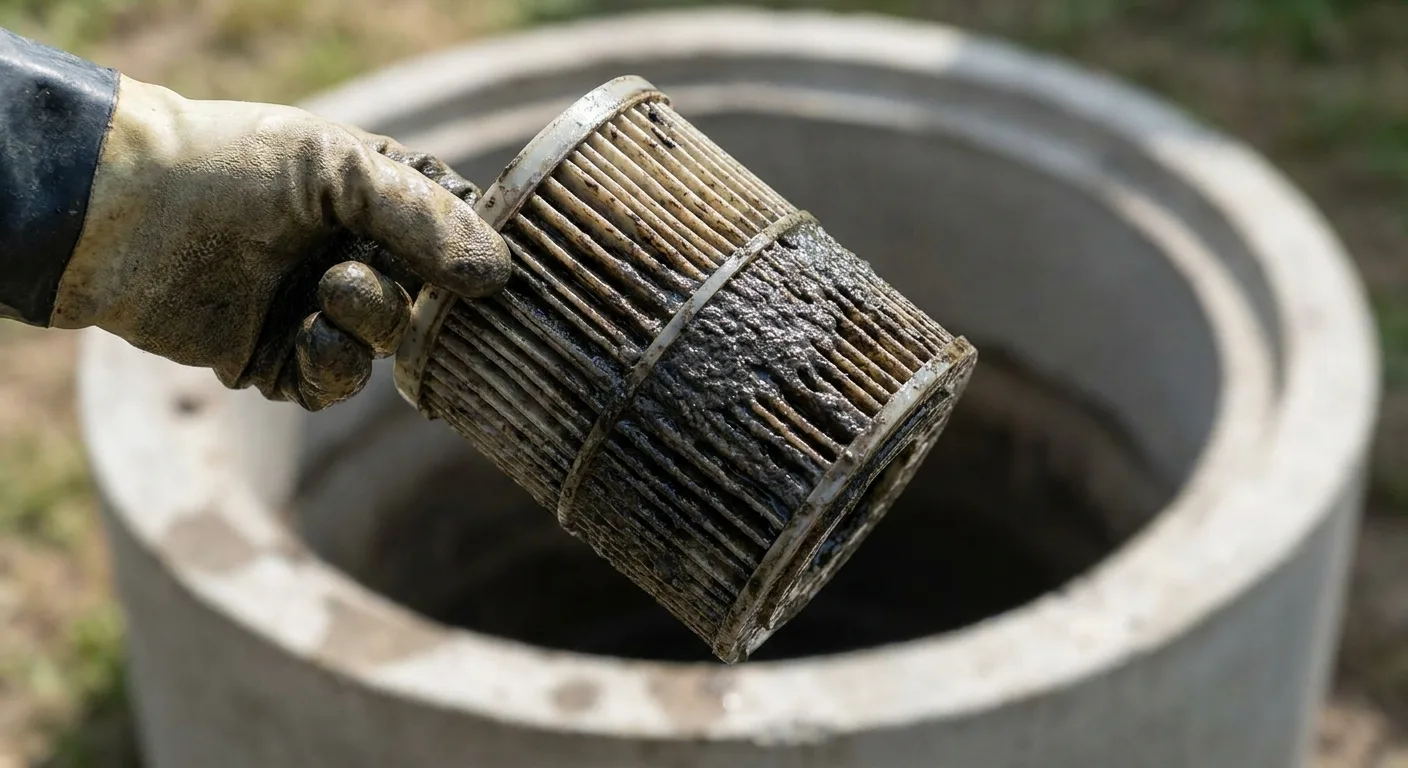
Before you assume the tank is full, ask about the effluent filter.
A lot of systems put in around here after the mid-1990s have a filter on the tank outlet. It catches fine solids before they reach the field, which is exactly what it’s for. When it plugs up, flow backs into the house.
The symptoms are nearly identical to a full tank. Slow drains, gurgling, sometimes a full backup.
Cleaning it takes about five minutes. People have paid for drain field replacements over a dirty filter. If you’re having symptoms and nobody’s checked it, that’s the first question to ask. Filters, baffles and D-boxes.
How Often It Actually Needs Doing
The best time to pump is before any of those eight show up. By the time you’ve got symptoms, solids have probably already been getting into your field.
Most households need it every three to five years. Where you land depends on tank size, how many people are in the house, whether you run a garbage disposal, and how heavy your water use is.
Older homes often have 750 or 900 gallon tanks and newer construction is usually 1,050 or bigger. Two people on a big tank can often stretch to five years. Five people on a small one should be closer to three. A garbage disposal pushes you toward the short end.
If you can’t remember the last pump-out, it’s due. That isn’t a sales line, it’s the most reliable indicator there is. Scheduling and what it costs.
Why Skipping It Costs So Much More Than It Saves
The arithmetic here is unusually clean.
Pumping every four years averages out to roughly $100 a year. Skipping it doesn’t save that money, it converts it into a drain field replacement.
Here’s the mechanism. Sludge and scum build up until solids escape past the outlet baffle into the field. Once they’re out there they plug the soil and form a mat water can’t pass through. That damage doesn’t reverse. Pumping afterward won’t undo it.
Four skipped pump-outs save you about $1,600. The replacement they cause starts around $5,000 and runs to $15,000, or a good deal more if your parcel needs an advanced treatment system. What a replacement actually costs here.
What a Proper Pump-Out Includes
Not all pumping is the same, and you can’t tell the difference from the driveway.
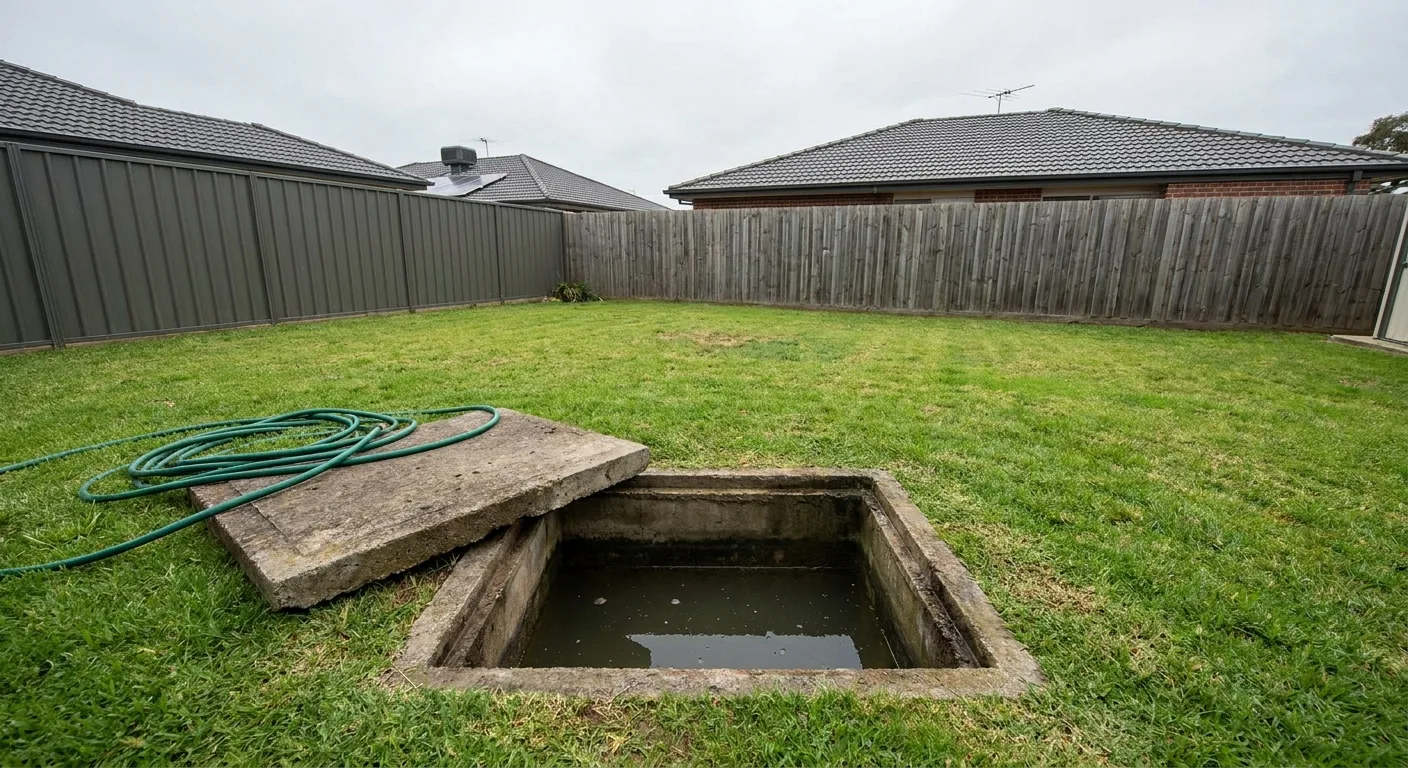
A full pump-out takes all three layers. Scum, liquid, and the packed sludge on the bottom. A partial takes the easy liquid and leaves the sludge sitting there. It’s quicker, it’s cheaper, and it buys you almost nothing.
- Both access lids opened, not just the inlet
- Sludge and scum measured before they start
- Inlet and outlet baffles looked at
- The effluent filter checked and cleaned
- Standing water levels noted, since that tells you whether the field is accepting flow
- What they found, written down
That last one matters most. The pump-out is the one time in your maintenance cycle that somebody has eyes inside your system. Whoever pumps and leaves without a report has wasted your best look at it. A full inspection goes further.
What to do right now
Signs 1 through 5: book a pump-out. Ask them to check the effluent filter and give you a written report.
Signs 6 or 7: get the system diagnosed rather than just pumped. You need a water load test on the field, not only an empty tank.
Sign 8: stop all water use, keep children and pets away from the area, and call now.
None of them but you can’t remember your last pump-out? Book one anyway. That’s the whole point of preventive maintenance.
Never open a septic tank to inspect it yourself. A tank is a confined space with gases that push out the oxygen and can drop a person in seconds. Never go in for any reason, including to help somebody who’s fallen. Call 911.
Questions People Ask
Book a Pump-Out Before It Becomes a Drain Field
If you recognised three or more of those signs, or you can’t remember your last pump-out, it’s due.
A few hundred dollars now is the difference between routine maintenance and a five figure replacement. That isn’t a sales line, it’s the whole arithmetic of owning a septic system.
We match Marion County property owners with licensed contractors who pump the tank properly, check the filter while the lid is off, and tell you in writing what they found. Free, no obligation, no fee to you.
Serving Ocala, Belleview, Dunnellon, Summerfield, Silver Springs Shores, Marion Oaks and all of Marion County.