
SERVICE AREAS · OCALA & MARION COUNTY, FL
Septic Service Across Ocala and Marion County
We cover the whole county, from the SR 200 corridor out to the forest edge at Salt Springs. How fast somebody gets to you depends on how far out you are.
Licensed & insured · Written quotes · No fee to you, ever
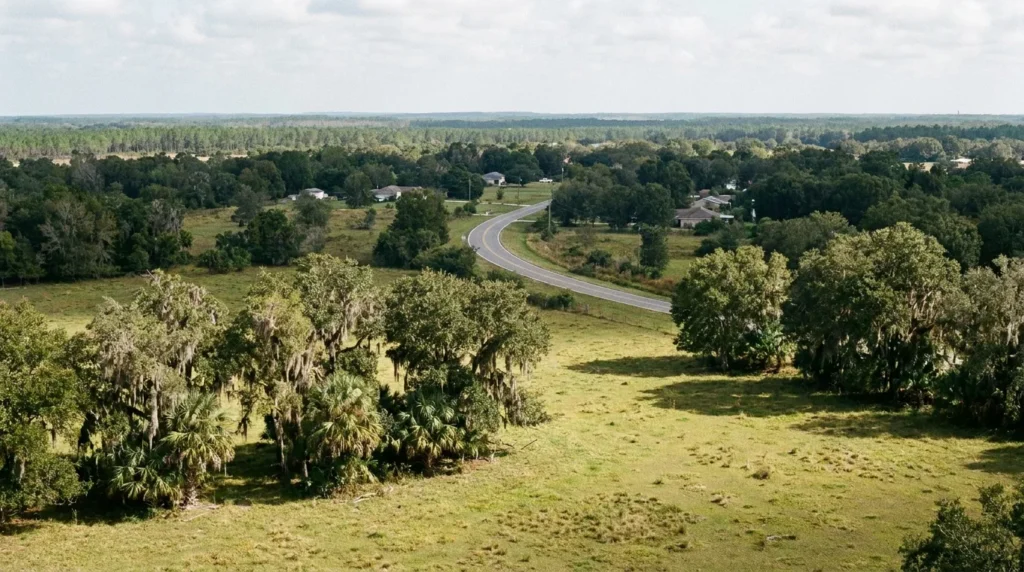
There are somewhere around 90,000 homes on septic in Marion County, one of the highest counts in Florida. But it isn’t spread evenly, and neither are the rules. Some neighborhoods sit inside springs protection zones where advanced systems are required. Some are scheduled for sewer. And a few big communities are on central utilities with no septic at all.
That last one matters, because plenty of septic websites list areas that are largely sewered. This page says which is which.
Where We Cover
We cover the whole of Marion County, from the SR 200 corridor out to the forest edge at Salt Springs. Response time depends on how far out you are and which truck is free.
Tap a town to drop a pin on it. We run the whole county, so if your road is not listed here, call and ask.
First, Are You Actually on Septic?
Not everywhere in Marion County is a septic area.
The bigger planned developments, particularly the newer 55+ communities west and southwest of Ocala along the SR 200 corridor, are commonly on central water and sewer. Parts of Ocala city limits, and parts of Belleview and Dunnellon, may be sewered too depending on the street.
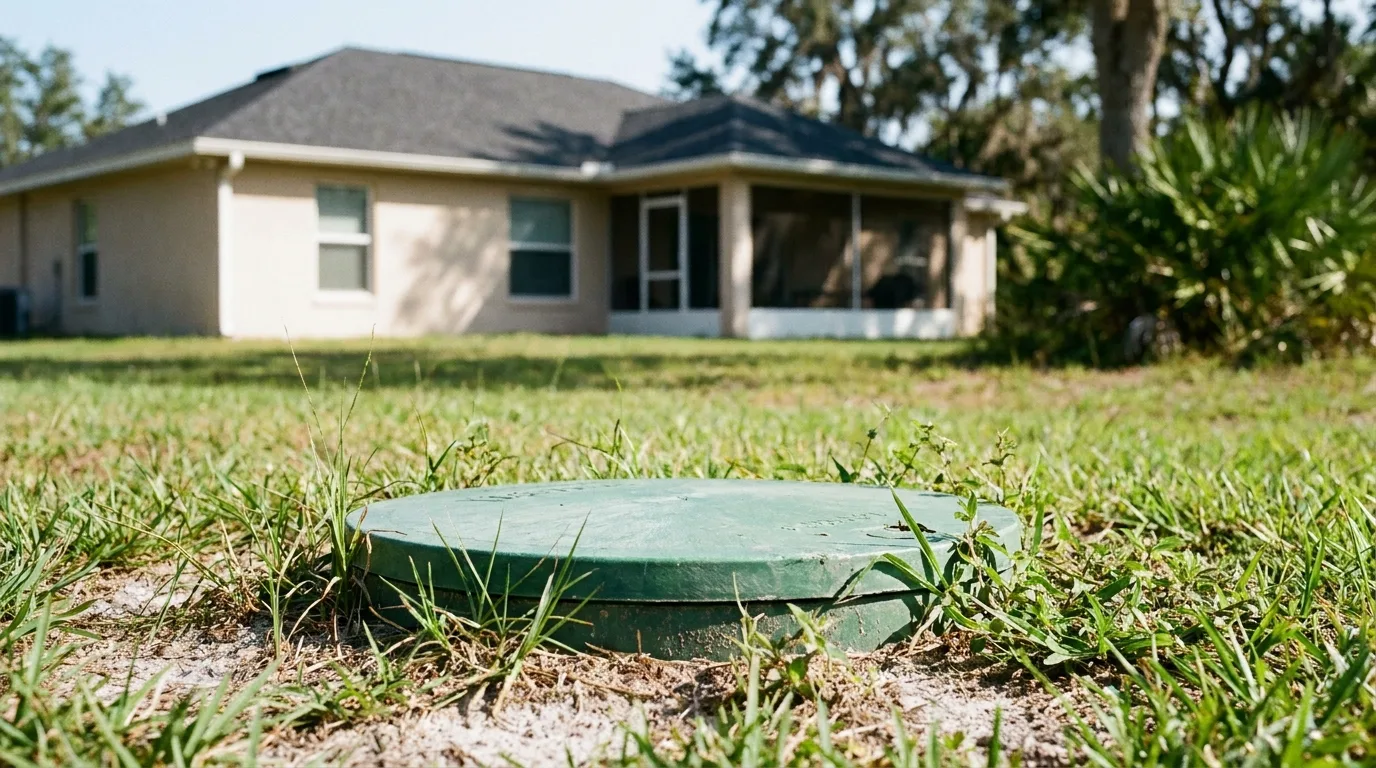
Three ways to tell. Look for a tank lid or an access riser in the yard, usually 10 to 25 feet out from the house in line with where the main pipe leaves. Check whether you get a monthly sewer charge separate from water. Or call Marion County Utilities and ask about your address.
The septic concentration in this county is in the unincorporated areas, the older platted subdivisions, and the rural east, north and west.
Ocala and Right Around It
The city itself is mixed, and which side of town you’re on changes both the soil and the age of what’s in the ground.
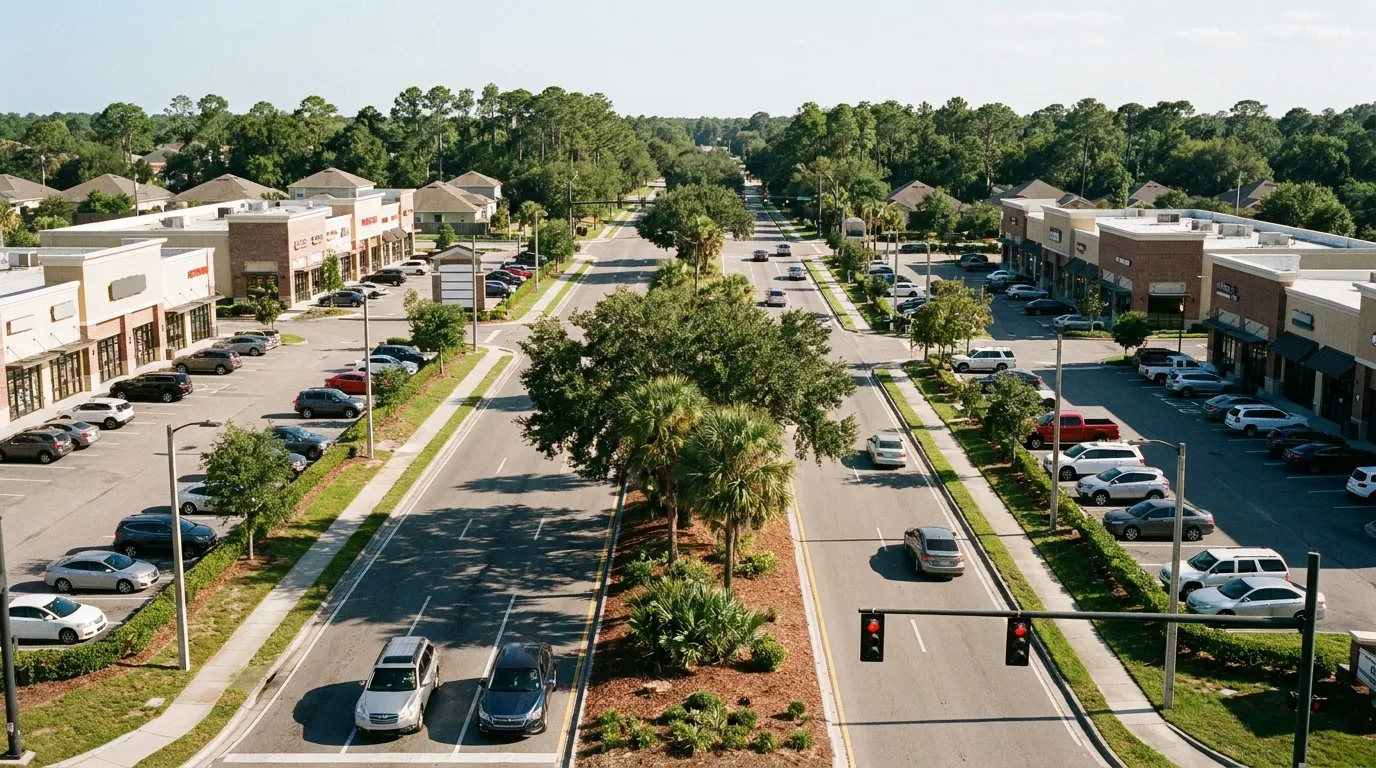
The SR 200 corridor, southwest. Heavy commercial along College Road out toward the county line, residential behind it. A lot of the big planned communities here are on central utilities. The restaurant strip between Paddock Mall and the I-75 interchange is grease trap territory rather than residential septic.
Northwest, toward SR 40 and NW Blitchton Road. Horse country starts almost the moment you leave the city. Big parcels, sandy karst uplands that drain well, near-universal septic. The World Equestrian Center corridor development sits out this way too, which means new construction and site evaluations rather than repairs.
East, along Silver Springs Boulevard. Older housing stock as you head out, and you get closer to the springs and the rules that come with them.
Southeast, along Maricamp Road. Runs from city out into the largest septic concentration in the county.
South, along Pine Avenue and US 441 toward Belleview. Mixed, with older unincorporated pockets outside sewer service.
Fellowship, Martel, Shady and Santos. Unincorporated areas right around the city, largely septic, mixed ages depending on when each part developed.
Silver Springs Shores and Silver Springs
This is the most significant septic area in the county and the most complicated.
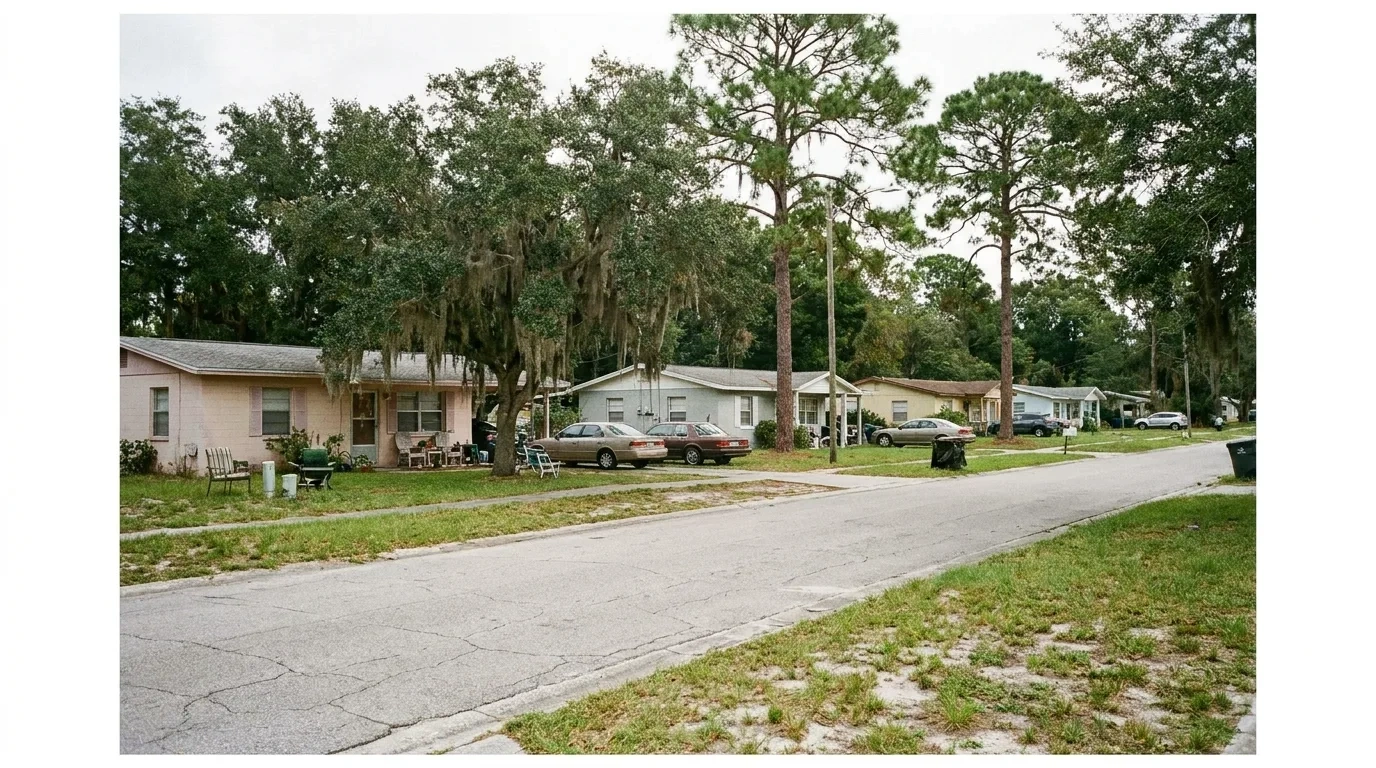
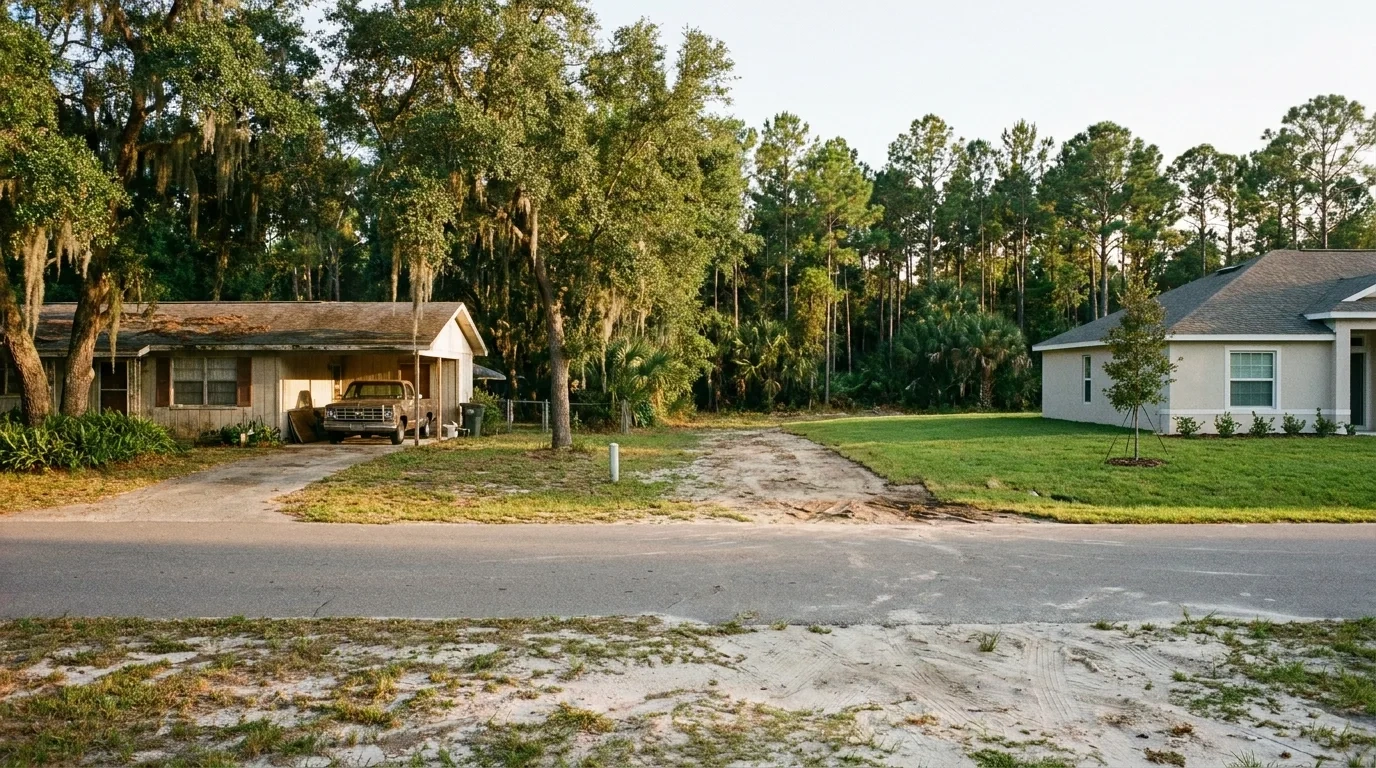
Big sections of Silver Springs Shores were platted in the 1960s and 1970s on relatively small lots, along the loop roads and courts running off Maricamp Road and SE 110th Street Road. A lot of those systems are at or past their 20 to 30 year design life.
If you own in the older units you’re in the window where drain field failure gets likely, no matter how carefully the system’s been treated. Maintenance records matter here more than anywhere else in the county.
Springs protection. Parts of the area fall inside the Silver Springs Basin Management Action Plan. Within a Priority Focus Area, new and many replacement systems have to be enhanced nutrient-reducing systems. That’s a real cost difference over conventional.
Sewer conversion. Marion County is running septic-to-sewer projects in parts of the Shores. If your street is scheduled, a major system investment may be money you’ll walk away from. Call county utilities before you commit.
Lot size. Smaller lots mean setbacks bind harder. On a parcel with a private well, the 75 foot well setback plus property line and foundation setbacks can leave very little legal room for a replacement field.
South County
Belleview. Incorporated city on US 441 about ten miles south of Ocala. Mixed sewer and septic depending on the street, with the surrounding unincorporated areas mostly septic. The 441 commercial strip through town includes food service running on grease traps.
Summerfield. Southeast along US 441 and SE 110th Street Road, running toward the county line and The Villages boundary. Heavy residential growth the last twenty years, so you get older rural systems sitting alongside newer installs built to current standards.
Marion Oaks. Large platted subdivision west of I-75 with serious septic density. Like the Shores it was platted decades ago on a grid, and vacant lots there are still being built on today. New installs happening on the same street as systems near end of life.
Weirsdale. Southeast corner near Lake Weir, off SE 135th Street and CR 42. Rural and largely agricultural. Lakefront and near-lake parcels face the 75 foot surface water setback, which often decides where a field can legally sit.
East County and the Forest Edge
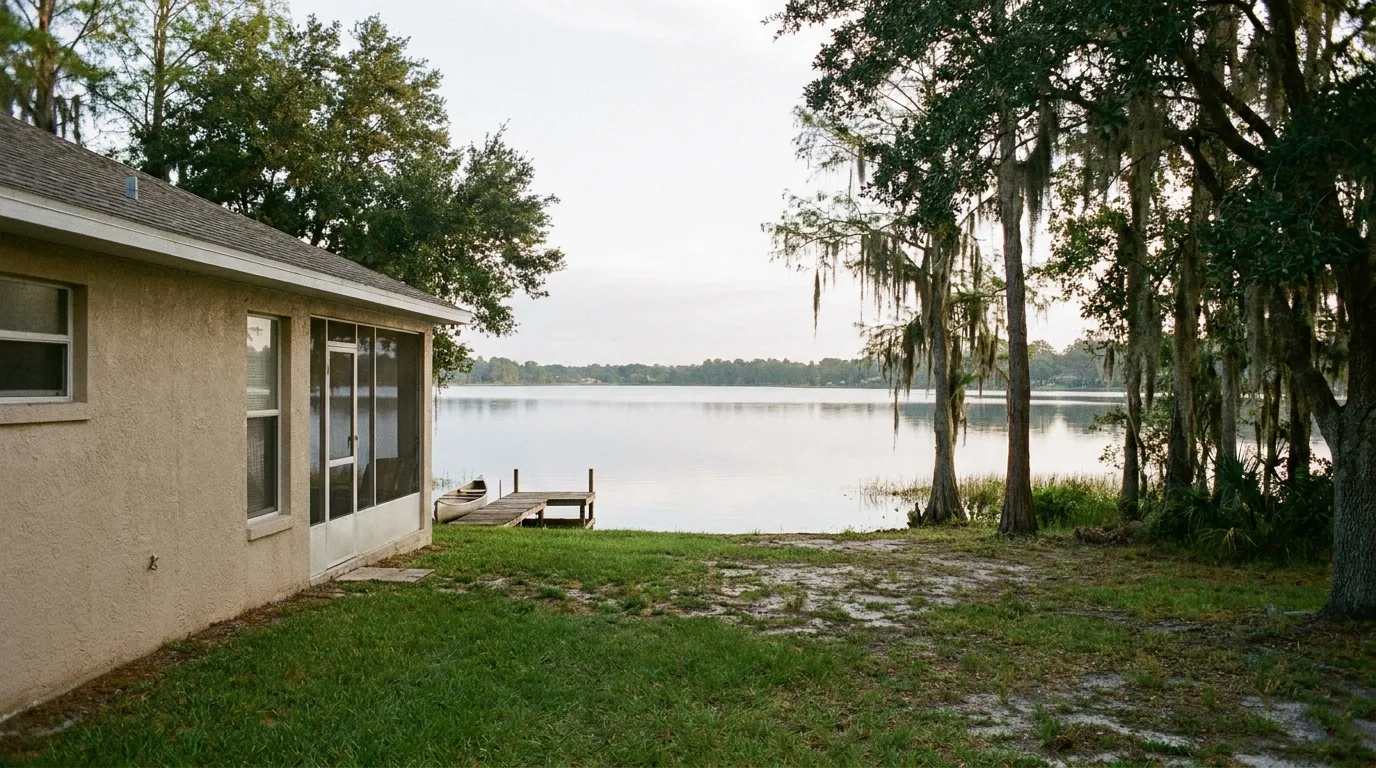
Ocklawaha. On the east shore of Lake Weir along SE 182nd Avenue Road and CR 464C. Lakefront lots run into the surface water setback as the binding constraint. On a small lakefront parcel with a private well, the 75 foot well setback and the 75 foot water setback together can leave almost nothing usable, which makes saving an existing field a lot more valuable than replacing it. The water table also sits higher near the lake than up in the Ocala uplands, which changes both design and how a marginal field behaves come summer.
Fort McCoy. Rural northeast along SR 316 and CR 315, north of the Ocala National Forest. Big parcels, universally septic, and travel distance is a real scheduling factor.
Salt Springs. Out at the forest edge on SR 19. The most remote part of the county we serve, entirely septic, longest response times. Worth calling early rather than at the point of emergency.
West County
Dunnellon. Far southwest where the Rainbow and Withlacoochee meet, roughly twenty miles out on SR 200 and US 41.
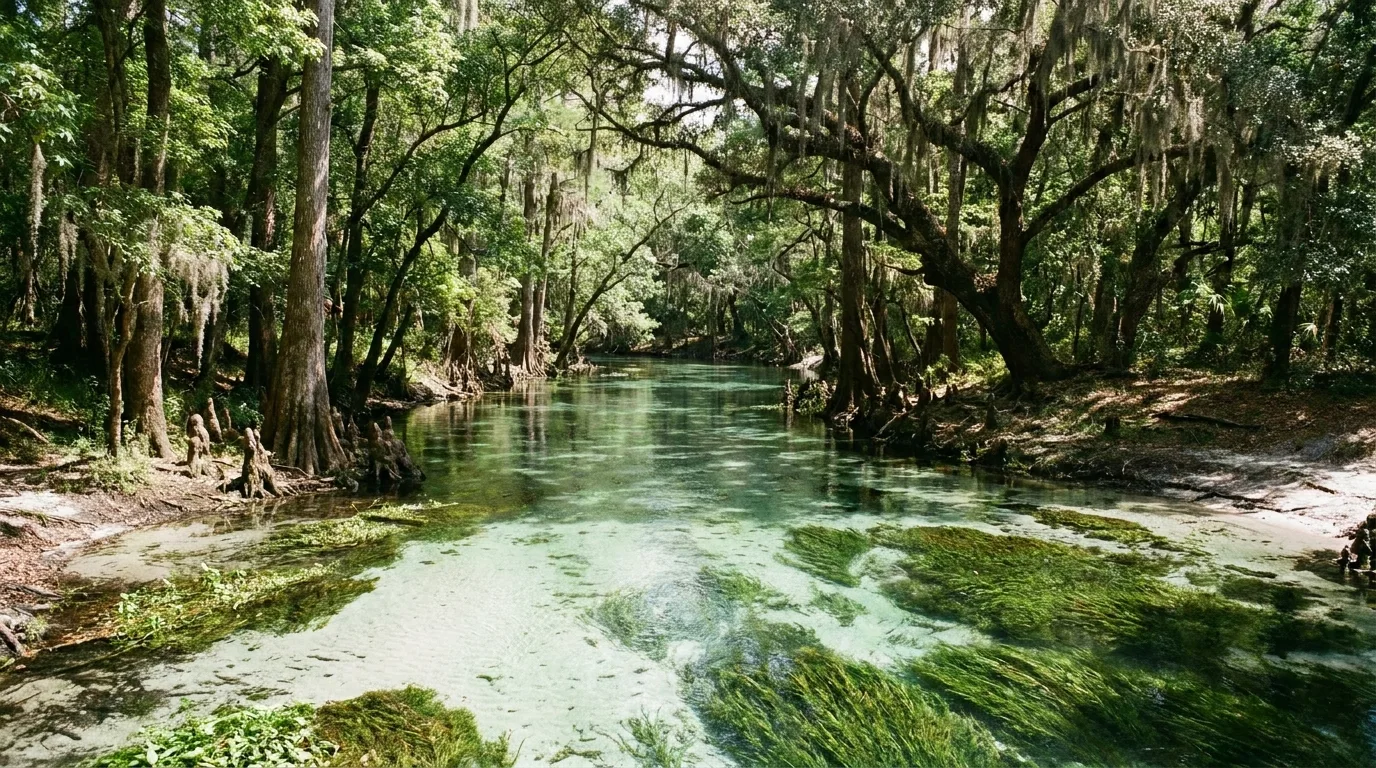
Two things dominate here. Riverfront and near-river parcels face the 75 foot surface water setback, which limits where a field can be permitted. And much of the area falls inside the Rainbow Springs Basin Management Action Plan, where Priority Focus Area status can require an enhanced nutrient-reducing system.
If you’re buying riverfront out here, get a site evaluation before you close. It’s entirely possible for a parcel to look buildable and not be, or to need a system costing five figures more than you budgeted.
Rainbow Springs. The subdivision area north of Dunnellon off US 41, same springs considerations, generally larger lots.
North County and Horse Country
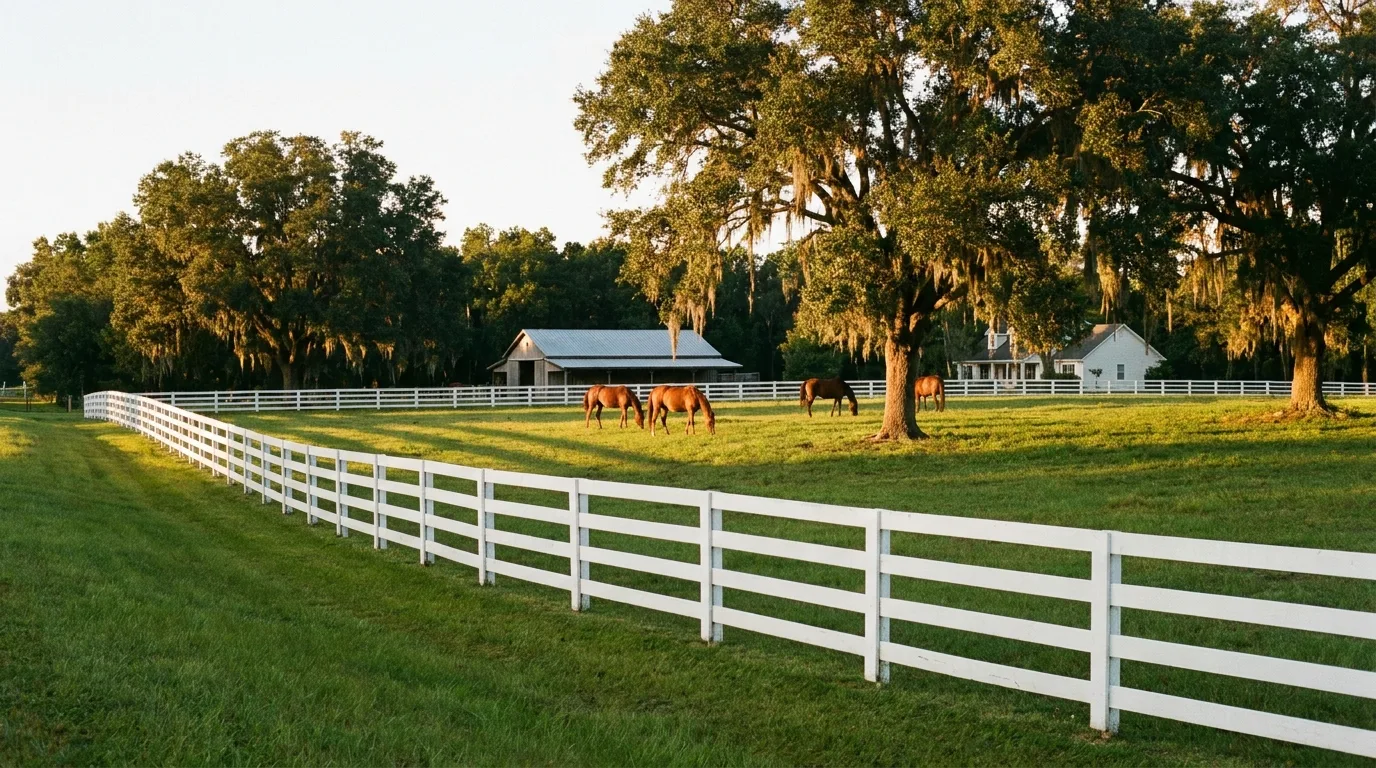
North of Ocala along US 441 and US 301 is where the county earns the horse capital title. Big parcels, agricultural zoning, near-universal septic.
Reddick, McIntosh, Citra, Anthony, Sparr, Fairfield, Lowell and Orange Lake. Rural communities strung along the two highway corridors with pasture and oak hammock in between.
Two things make septic work different up here. Parcels are large, so setbacks rarely bind and you generally have room to site a system properly. That means fewer engineered workarounds and lower cost per system than a tight lot in town.
And a good share are working horse farms, carrying systems that serve barn bathrooms, wash racks and groom quarters on top of the residence. Those are flow patterns a standard residential system was never designed around, and they get more complicated during show season.
What Changes Depending on Where You Are
Four things shift meaningfully across the county, and they are why a quote in Dunnellon looks different from one in Fort McCoy.
Springs protection status
Priority Focus Areas for the Silver Springs and Rainbow Springs plans cover a lot of the county. Inside one, an enhanced nutrient-reducing system may be required, which adds significantly to cost. Status gets confirmed at the site evaluation, never from a street address or a neighborhood name.
Seasonal high water table
The karst uplands around Ocala and the northwest drain well. Low ground near Lake Weir, along the Withlacoochee and in the flatwoods sits closer to the wet-season table, which can force a mound or engineered system instead of conventional trenches.
Setbacks
Waterfront parcels in Dunnellon, Ocklawaha and around Lake Weir face the 75 foot surface water setback under Rule 62-6.005. On a constrained lot that decides the entire design.
System age
Older platted subdivisions, particularly Silver Springs Shores and parts of Marion Oaks, have concentrations of systems past design life. Newer development areas have systems put in under current standards.
One thing that does not change anywhere in the county
Since July 1, 2025, septic permits come from the Florida Department of Environmental Protection rather than the county health department. Marion is one of only 17 Florida counties where FDEP permits directly. If a contractor tells you to file with the county, they’re working off old information.
Questions About Your Area
What people ask most about septic in their part of Marion County.
Tell Us Where You Are
Every part of this county has its own conditions. Soil, water table, setbacks, system age and whether you sit in a springs zone all change what a job costs and sometimes what is even permitted. Send us your address and we’ll tell you what we know about the area, then match you with a contractor who works there regularly.
Ocala · Belleview · Dunnellon · Summerfield · Silver Springs · Silver Springs Shores · Marion Oaks · Ocklawaha · Weirsdale · Fort McCoy · Salt Springs · Citra · Anthony · Reddick · McIntosh · Sparr · Orange Lake · Fairfield · Lowell · Shady · Santos · Martel · Fellowship