How to Find Your Septic Tank
Most people go looking for their septic tank for one of three reasons. It needs pumping, something’s gone wrong, or they’re about to build something and want to know what’s buried where.
Good news is they’re findable, usually inside an hour, and often without digging at all. Here are six ways, easiest first.

Start With the Permit Records
This is the quickest route and the one everybody skips.
When a septic system goes in, a permit gets issued and a site plan gets filed showing where the tank and field sit relative to the house. If your system was permitted, a drawing exists somewhere.
- Your closing documents, if you bought the place. Septic records often come with them and then never get opened again.
- The county health department, for systems permitted before the program moved.
- The state environmental agency, for anything newer.
- The previous owner, if you can reach them.
In Marion County specifically, septic permitting moved to the Florida Department of Environmental Protection on July 1, 2025. Older records may still sit with the county health department while newer ones are with FDEP. If your system predates the switch, start with the county. Marion is one of only 17 Florida counties where FDEP permits directly, so this catches a lot of people out.
Records for very old systems, particularly rural ones put in before permitting was consistent, may simply not exist. That’s common and it isn’t a problem. Move on.
Follow the Line Out of the House
No records? Follow the pipe.
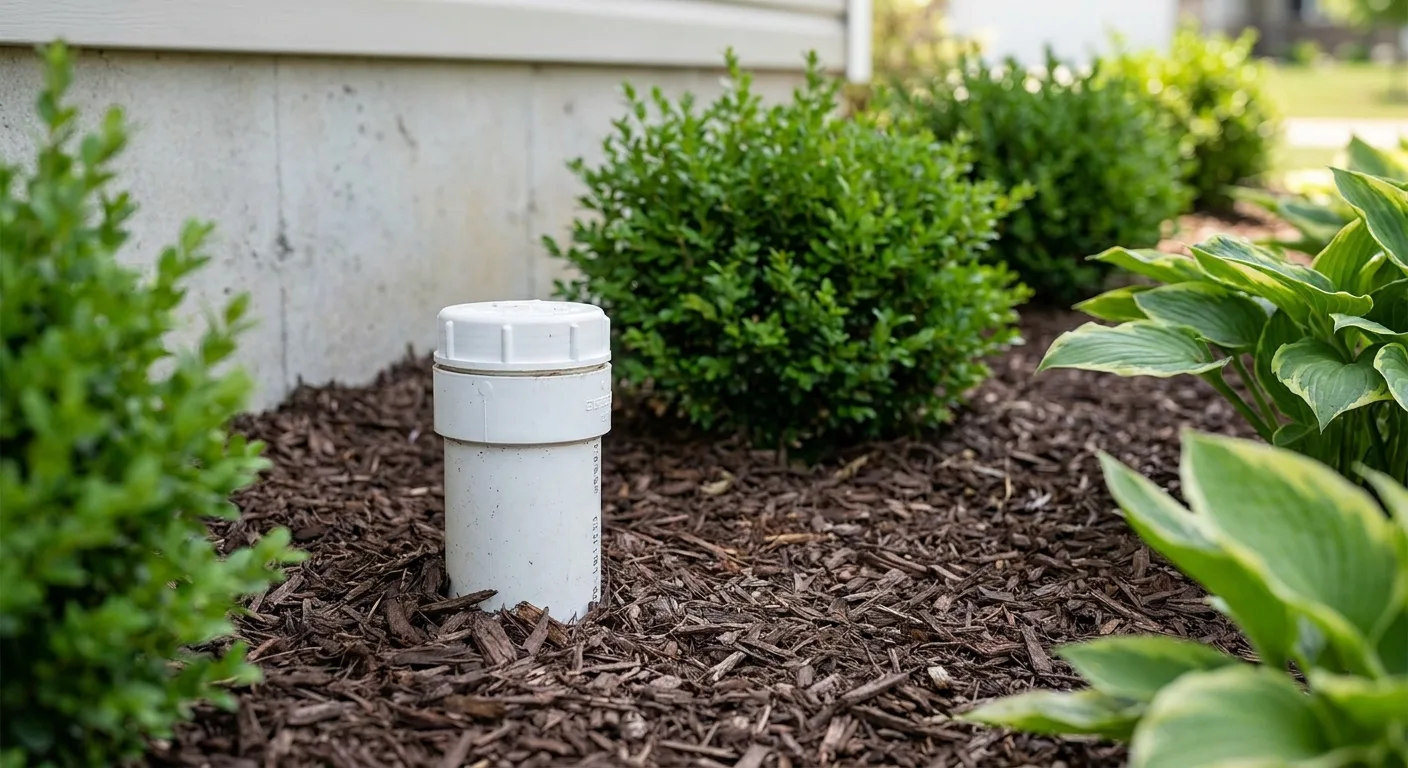
Find where the main sewer line leaves the house. With a crawl space you can usually see it. On a slab, look for a cleanout, which is a capped pipe stub near the foundation.
That line runs to the tank, and it runs straight. Septic outlet pipes are almost never curved.
- Note which way the pipe heads as it leaves the house.
- Walk that line out into the yard.
- Most tanks sit 10 to 25 feet off the foundation.
- They’re rarely closer than five feet, because setback rules require separation from the building.
A four-foot metal probe or a length of rebar pushed into the soil along that line will hit the pipe, then the tank. Push gently. You’re feeling for something solid, not trying to punch through it.
Read the Ground
Your yard often shows you the tank without any tools at all.
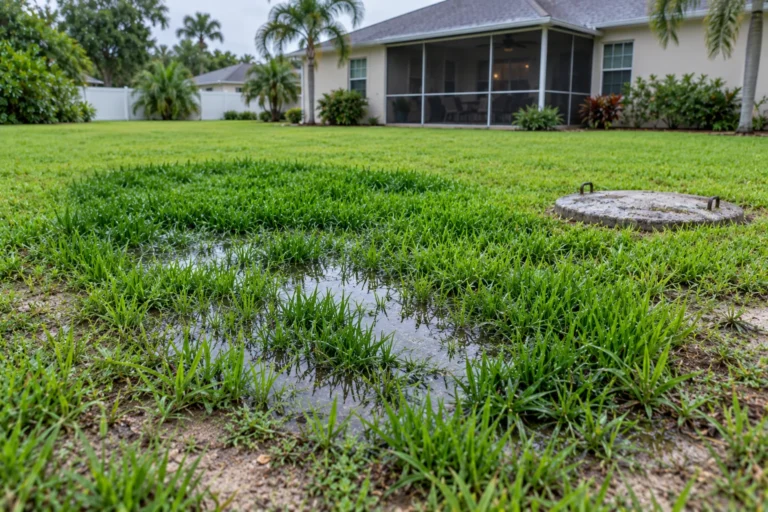
- Grass that doesn’t match the rest of the lawn. Over a tank the soil is shallower and drains differently. That patch may be greener, browner, or just growing at a different rate depending on the season.
- A slight dip or a raised spot. Backfilled soil settles. Plenty of tanks sit under a subtle depression you’d never notice unless you were looking.
- A patch that stays dry when everything else is wet, or the other way round.
- Anywhere the landscaping obviously works around. Previous owners tend to plant around a lid they knew about.
Walk the yard in low morning light. Shallow contours show up far better at a low sun angle than they do at midday.
Finding the Lid Itself
Finding the tank is one thing. Finding the lid you actually need open is another.
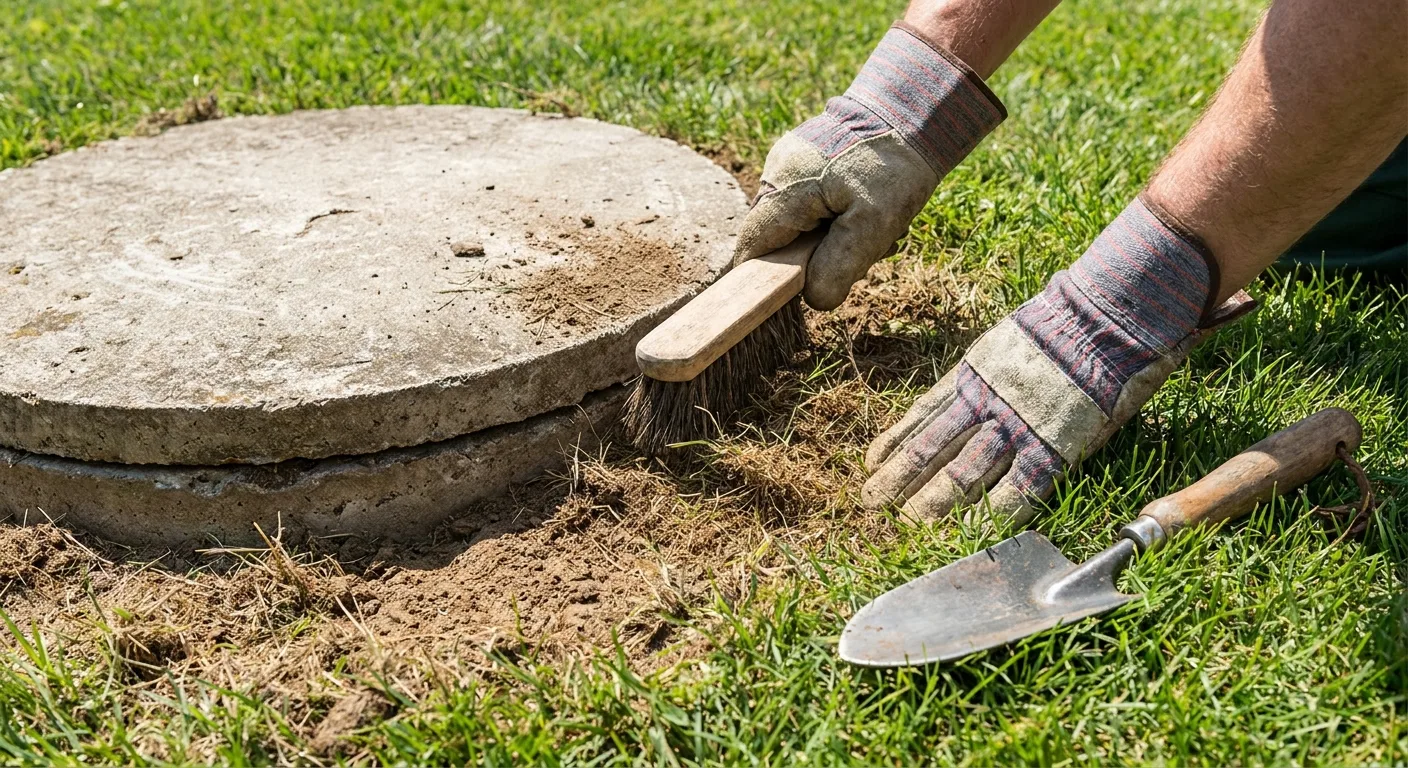
Most tanks have two access points, one over the inlet and one over the outlet. Some older ones have a single lid in the middle. They’re usually rectangular or round, concrete or heavy plastic, and sit anywhere from flush with the grass to two feet down.
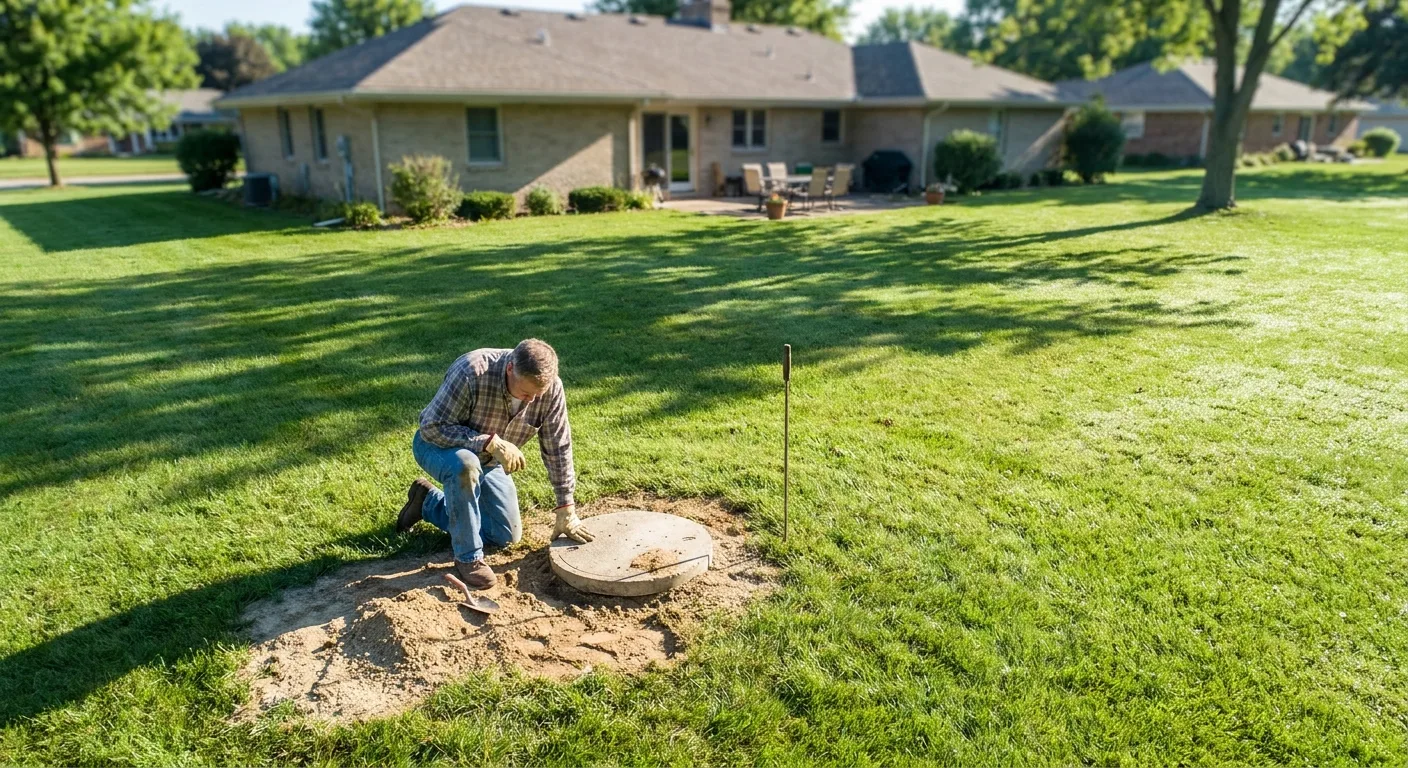
The probe method. Once you’ve narrowed the area, push a metal probe into the soil on a grid, roughly every foot. Concrete gives an unmistakable hard stop. Trace the outline until you’ve mapped the tank, then probe inside it to find the lids.
A metal detector helps if your lids have steel handles or rebar in them, which plenty do. It’ll find the pipe too.
When you find it, mark it properly. A stake, a decorative stone, or measurements from two fixed points on the house written down and photographed. Everybody who can’t find their tank pays somebody to hunt for it, on every single service call.
When to stop and call somebody
Three situations where doing it yourself is the wrong move.
You’ve probed a wide area and found nothing. Contractors have ground-penetrating radar and electronic locators that flush a transmitter through the line. Takes them twenty minutes.
You found the lid and it looks bad. Cracked, sagging, rusted, crumbling round the edges. Bad lids fail under weight, and people and pets have fallen into septic tanks.
You’re tempted to look inside. Don’t. A septic tank is a confined space full of gas that pushes the oxygen out and can drop a person in seconds. Never go in for any reason, and never go in after somebody who’s fallen. Call 911 instead. Rescue attempts by family members are how one person in trouble becomes two.
If you do lift a lid, don’t walk away and leave it open. An uncovered tank is an immediate hazard to anybody wandering past.
Once You Find It, Do These Three Things
Mark it and write it down. Measure from two fixed points, take a photo, and keep the note somewhere that survives a move. Leave those measurements for whoever buys the place next.
Check how deep it is. If the lids sit more than a foot down, look at putting risers in to bring them up to grade. Risers run a few hundred dollars and take the digging out of every future pump-out and inspection. Two or three visits and they’ve paid for themselves. That falls under septic tank repair.
Protect the area. No vehicles, trailers, livestock or above-ground pools over the tank or the field. No deep-rooted trees nearby. Compaction and roots both do permanent damage.
While You Are Out There
Finding the tank is usually step one of something else. A few things worth knowing.
Pumping runs every three to five years for most households around here. Smaller tanks, bigger families and garbage disposals push you toward the short end. If you can’t remember the last one, it’s due. Here’s what a proper pump-out involves.
The lid is your only window into the system. Somebody who opens the tank can measure sludge, check the baffles and clean the effluent filter. That one visit tells you more about the health of your system than anything you can see from the surface. What a full inspection covers.
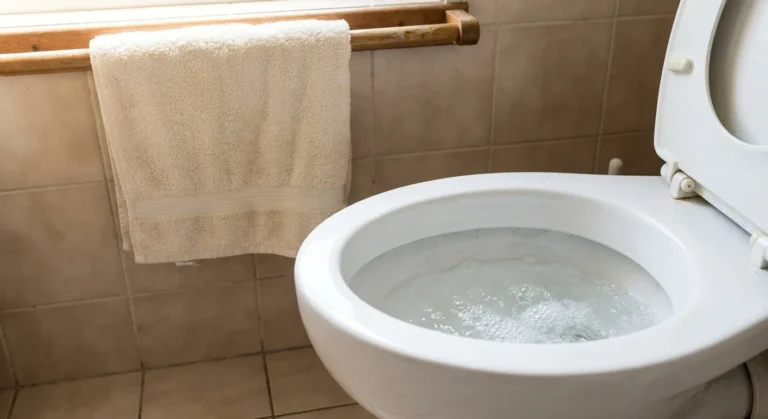
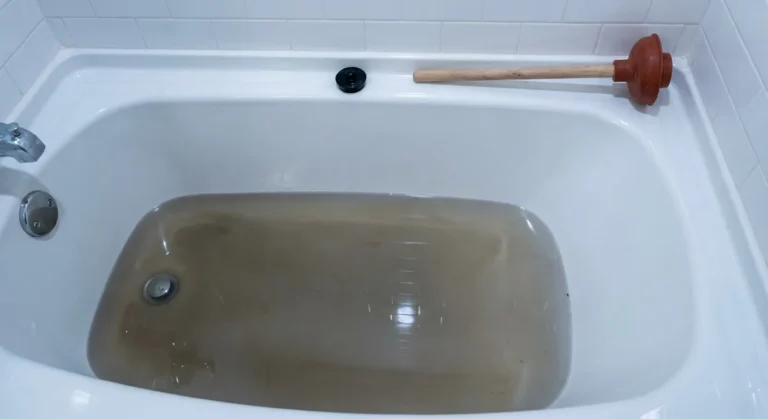
Symptoms mean stop guessing. Slow drains through the whole house, gurgling toilets, a smell outdoors, or soft ground over the field all mean it needs looking at rather than just locating. Signs a drain field is going.
If the lid turns out to be cracked or sitting badly, that’s worth dealing with before somebody steps on it.
Frequently asked questions
Found It? Here Is What Comes Next
Locating the tank is usually step one of something else.
If it has been more than five years since your last pump out, or you have no idea when it was, that is your answer. If the lid looked cracked or sat deeper than a foot down, risers and a lid replacement are inexpensive fixes worth doing while someone is already out there.
We match Marion County property owners with licensed septic contractors who locate, open, and evaluate your system, then report what they found in writing. Free, no obligation, no fee to you.
Serving Ocala, Belleview, Dunnellon, Summerfield, Silver Springs Shores, Marion Oaks and all of Marion County.