Why Is My Toilet Gurgling?
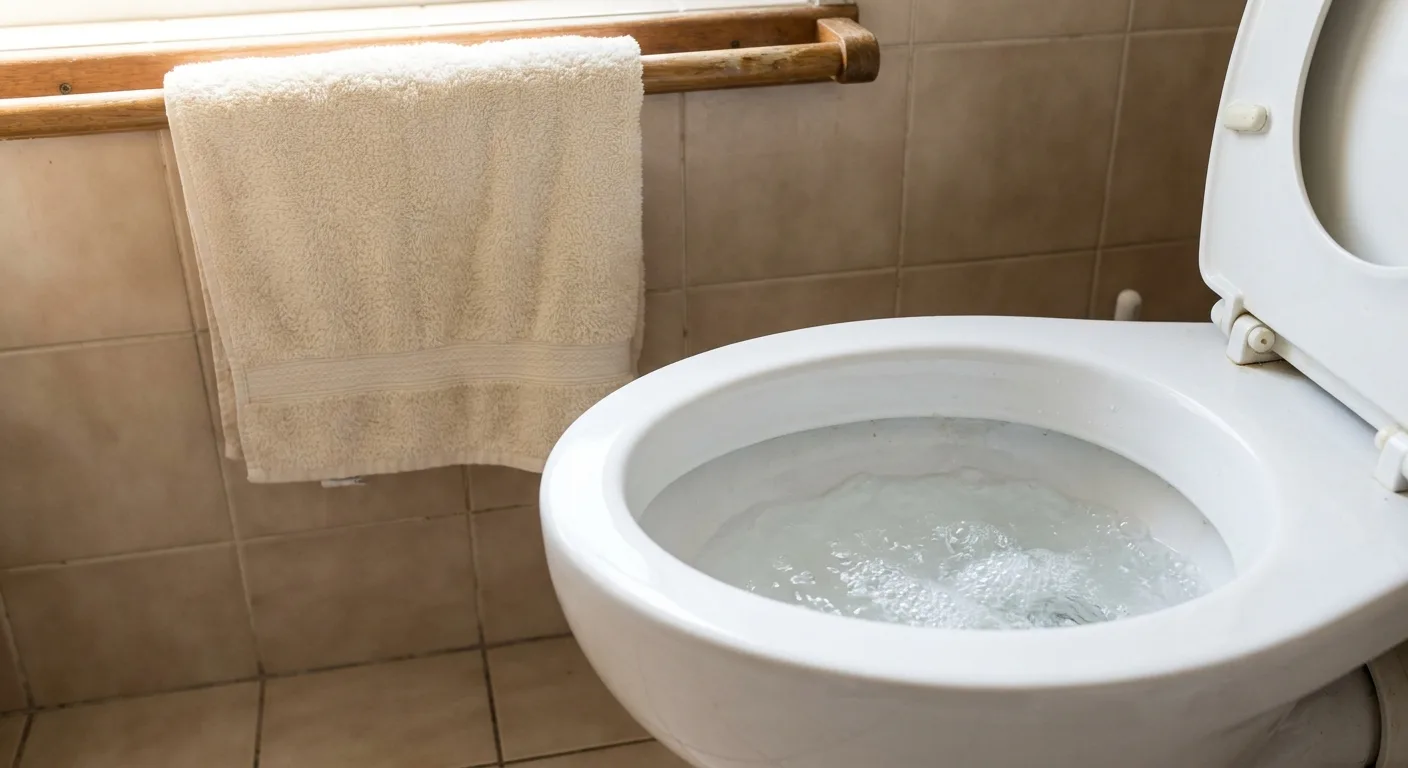
A gurgling toilet is air escaping up through the water in your bowl.
That air has to come from somewhere, and where it comes from tells you what’s wrong. Sometimes it’s a small clog you’ll clear in ten minutes. Sometimes it’s a full septic tank. The noise on its own won’t tell you which, but a few checks will.
Five causes, most common first.
How Drains Are Supposed to Work
Understanding this makes every diagnosis below obvious.
Water going down a drain needs air behind it, same as pouring from a bottle. Your plumbing supplies that through vent pipes running up through the roof. Air comes in, follows the water, and everything moves quietly.
Every fixture also has a trap, the U-bend holding a bit of standing water. That water is what blocks sewer gas from coming up into the room.
Gurgling happens when the system can’t get air the normal way. Instead of pulling it down the vent, it pulls it through the nearest water seal, and that’s usually your toilet. So the question is always the same. Why can’t the air get through?
Cause 1: A Partial Clog
Most common, least serious. Something is partly blocking the toilet’s own drain or the branch line. Water gets past but not freely, and air gets trapped behind it.
How you know: it’s just that one toilet. Everything else behaves normally. The bowl may drain slowly or need a second flush.
What to do: a flange plunger clears most of these if you use it properly. Fill the bowl enough to cover the plunger, get a seal, and use firm steady pushes rather than fast slaps. If that fails, a closet auger is next.
Skip the drain cleaner. It rarely works on a toilet clog anyway, and if you’re on septic it kills the bacteria doing your treatment. It also leaves a hazard for whoever opens the line afterward.
Cause 2: A Blocked Vent
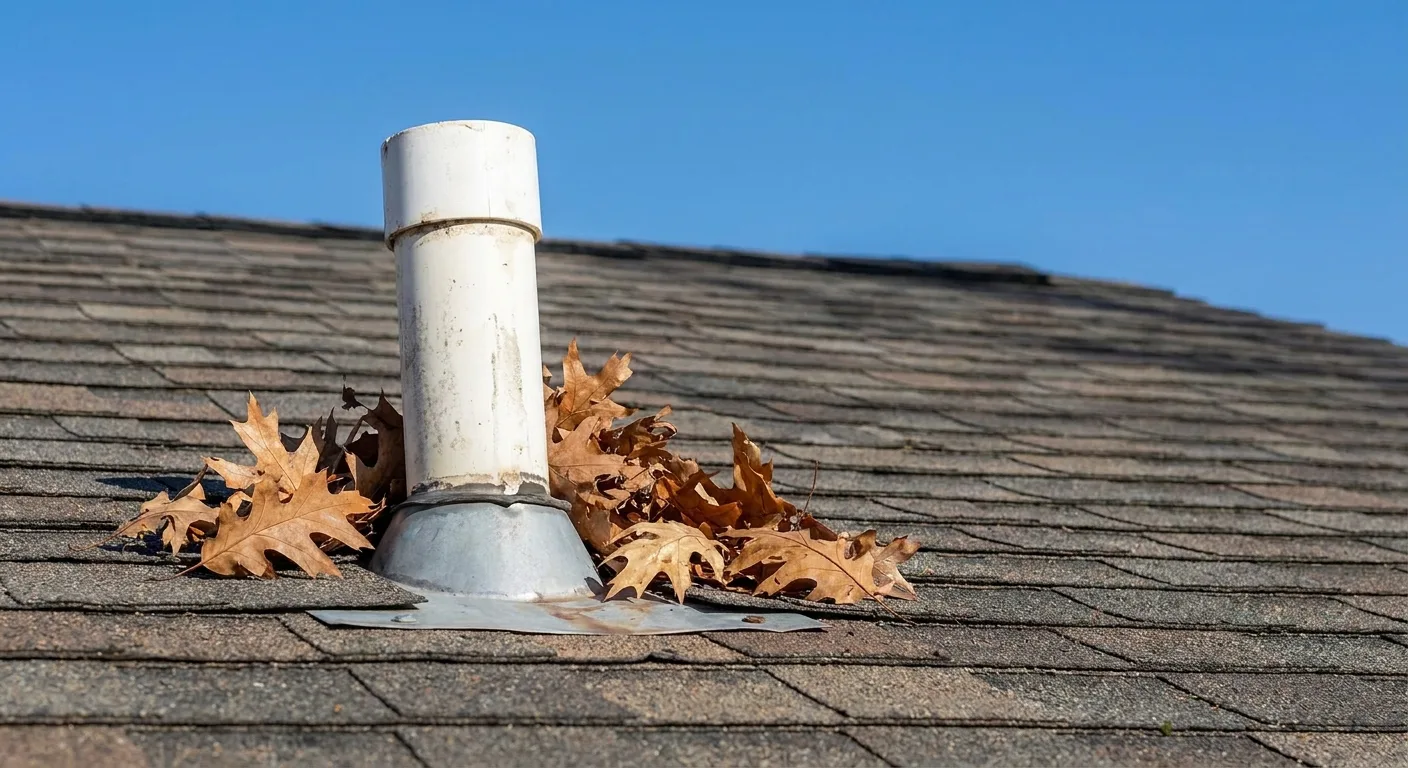
Very common and often mistaken for a clog. Vent pipes come out through your roof and things get into them. Leaves, bird nests, wasp nests, debris. Blocked vent means no air path, so the system takes air out of your traps instead.
How you know: several fixtures gurgle, not just one. Classic version is the toilet gurgling when you run the shower or the washing machine drains. You might also catch a whiff of sewer gas now and then, because a starved trap can get siphoned dry.
What to do: if you can safely see your roof vents, look for anything obvious. Clearing one usually means roof access and a plumber’s snake, which is a fair point to call somebody. Falling off a roof is a worse outcome than a plumbing bill.
Cause 3: A Main Line Blockage
More serious, and the symptoms build. If the main line leaving the house is partly blocked, everything upstream backs up behind it. Tree roots are the usual culprit, along with grease buildup, collapsed pipe, and things that got flushed and didn’t break down.
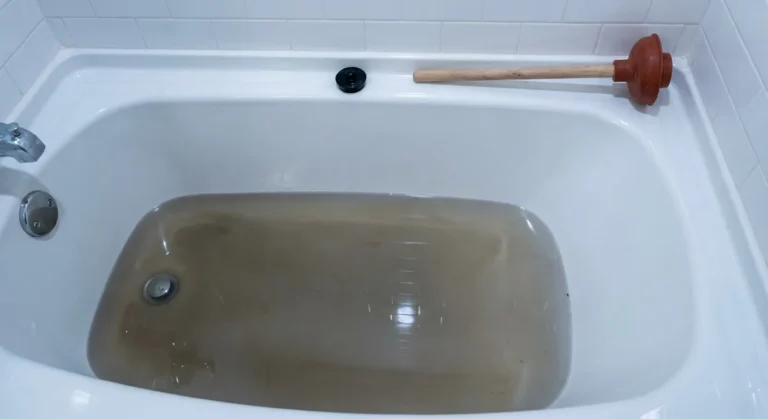
How you know: several fixtures are slow at once. Running one affects another, so flushing the toilet makes water rise in the shower. The lowest drain in the house, normally a ground floor tub or shower, shows it first.
What to do: this wants somebody with a drain camera. Guessing at a main line blockage wastes money on the wrong fix.
If water is coming up into a tub or shower, stop using water entirely and call somebody now. That’s no longer a gurgle, that’s a backup.
Cause 4: A Full Septic Tank
Now we’re on the septic side. If the tank is full of accumulated solids there’s no room for what’s coming in. Water enters slowly, air backs up the line, and your toilet gurgles.
How you know: you’re on septic, every drain in the house is affected, and it’s been more than three to five years since the last pump-out. Symptoms may ease off if you cut water use for a day, then come back.
Also common: a plugged effluent filter. Plenty of systems put in after the mid-1990s have one on the tank outlet, and when it clogs it looks almost exactly like a full tank. Cleaning it takes about five minutes. More on filters and other cheap fixes.
What to do: get the tank pumped and the filter checked. Most households need it every three to five years, sooner with a big family, a small tank, or a garbage disposal. Booking and pricing. That’s a few hundred dollars, and skipping it is what causes the next one.
Cause 5: A Failing Drain Field
The expensive one, and it gives you months of warning first. When the field can’t take flow anymore, the tank stays full no matter how recently it was pumped. Water has nowhere to go, so your plumbing gurgles.
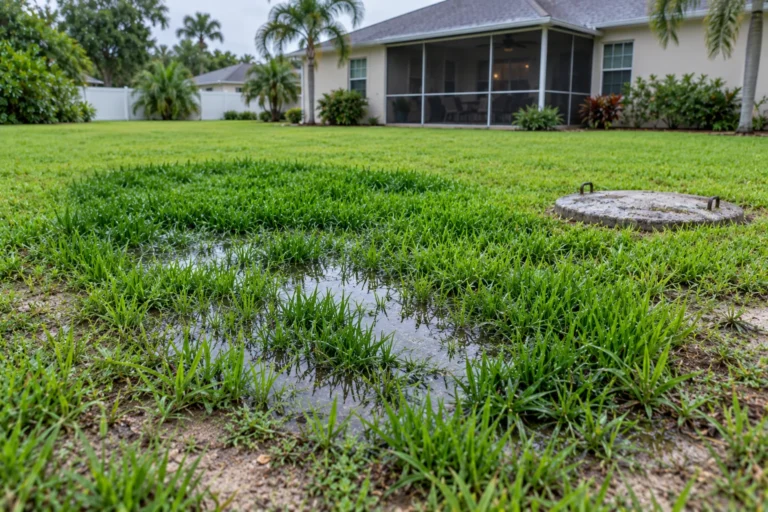
How you know: gurgling plus soft or spongy ground over the field, grass noticeably greener there than the rest of the lawn, a sewage smell outdoors, or symptoms that get worse in the rainy season. The giveaway is a toilet that flushes fine and then backs up a couple of hours later, meaning the tank empties but refills faster than the soil can take it.
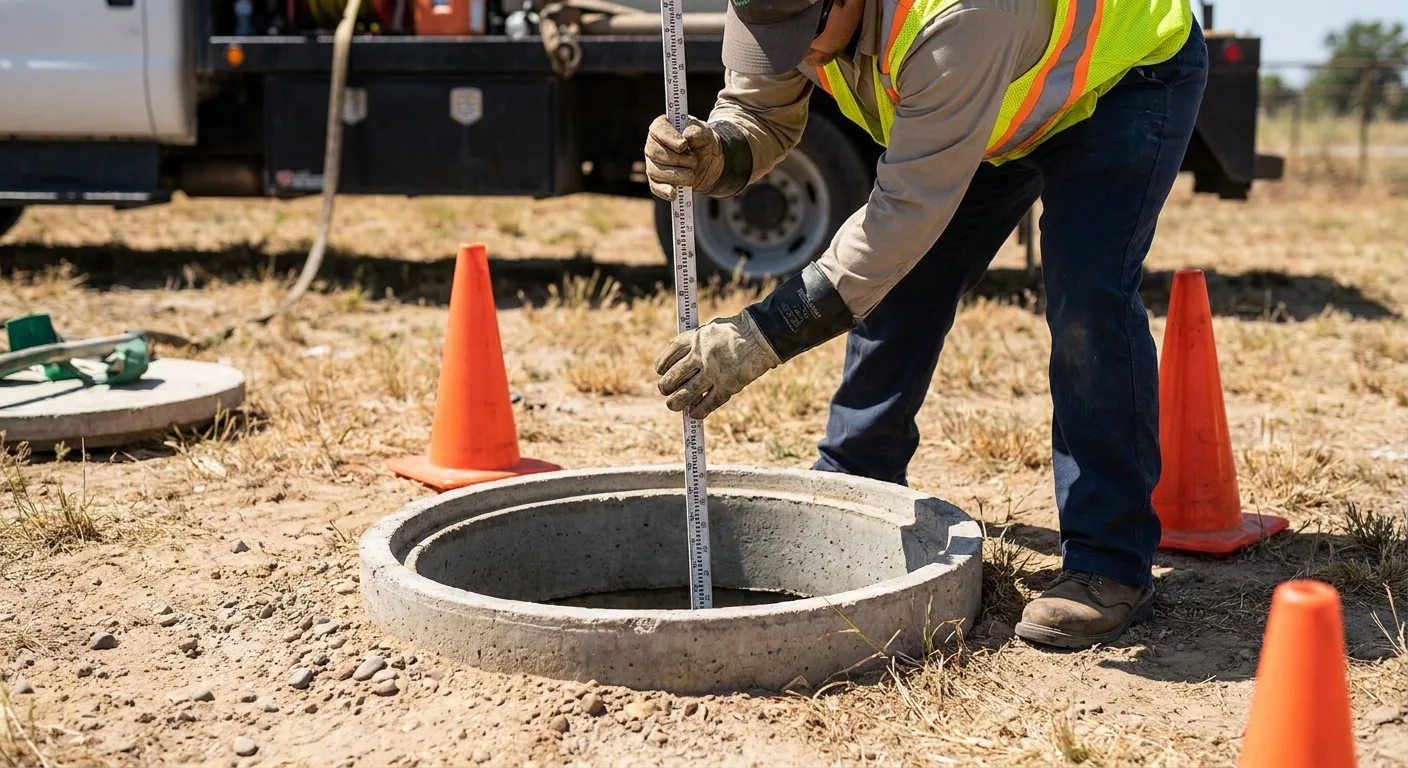
What to do: get it diagnosed properly before anybody quotes you a replacement. Somebody should open the tank, check the filter, open the distribution box and run a water load test. A cracked D-box sends all your flow into one trench while the rest sit dry, which looks like total failure and isn’t. What a proper diagnosis involves.
A Quick Way to Narrow It Down
- One fixture or several? One points to a local clog. Several points to a vent, the main line, or septic.
- Does running one affect another? Flush the toilet and watch the shower drain. If water rises there, the problem is downstream of both.
- Septic or sewer? If you pay a monthly sewer bill, causes 4 and 5 don’t apply to you.
- When was the tank last pumped? Over five years, or unknown, makes a full tank likely.
- Anything happening in the yard? Wet ground, greener grass, or a smell over the field moves you straight to cause 5.
- Anything backing up into a tub or shower? Stop using water and call. You’re past the diagnosis stage.
Things not to do
Don’t keep flushing to see if it clears. Every flush adds volume to a system that can’t handle what it’s already got.
Don’t pour drain cleaner into a septic system. It kills the bacteria the system runs on and leaves a hazard for the next person who opens the line.
Don’t ignore it because it comes and goes. Gurgling that tracks the rainy season is an early warning about your drain field, not a weather quirk. It’ll stop being intermittent eventually.
Never open a septic tank to look inside. A tank is a confined space with gases that can drop a person in seconds. Never go in for any reason, including to help somebody who’s fallen. Call 911.
Questions People Ask
Still Gurgling? Get It Diagnosed
If you’ve worked through the checks above and it’s still there, or several fixtures are affected and you’re on septic, the next step is somebody opening the tank and looking.
A proper visit measures sludge depth, checks the baffles and filter, opens the distribution box, and runs a water load test on the field. That sequence separates a few hundred dollar fix from a five figure one.
We match Marion County property owners with licensed contractors who test before they quote. Free, no obligation, no fee to you.
Serving Ocala, Belleview, Dunnellon, Summerfield, Silver Springs Shores, Marion Oaks and all of Marion County.