Sewage Backup in Bathtub or Shower: What to Do Right Now
Stop using water. All of it. Every fixture in the house.
Keep children and pets out of the room.
Don’t touch the water without waterproof gloves and boots.
If sewage is coming up through your tub or shower, those three matter more than anything else on this page. The rest explains why it happened and what comes next.
The First Ten Minutes
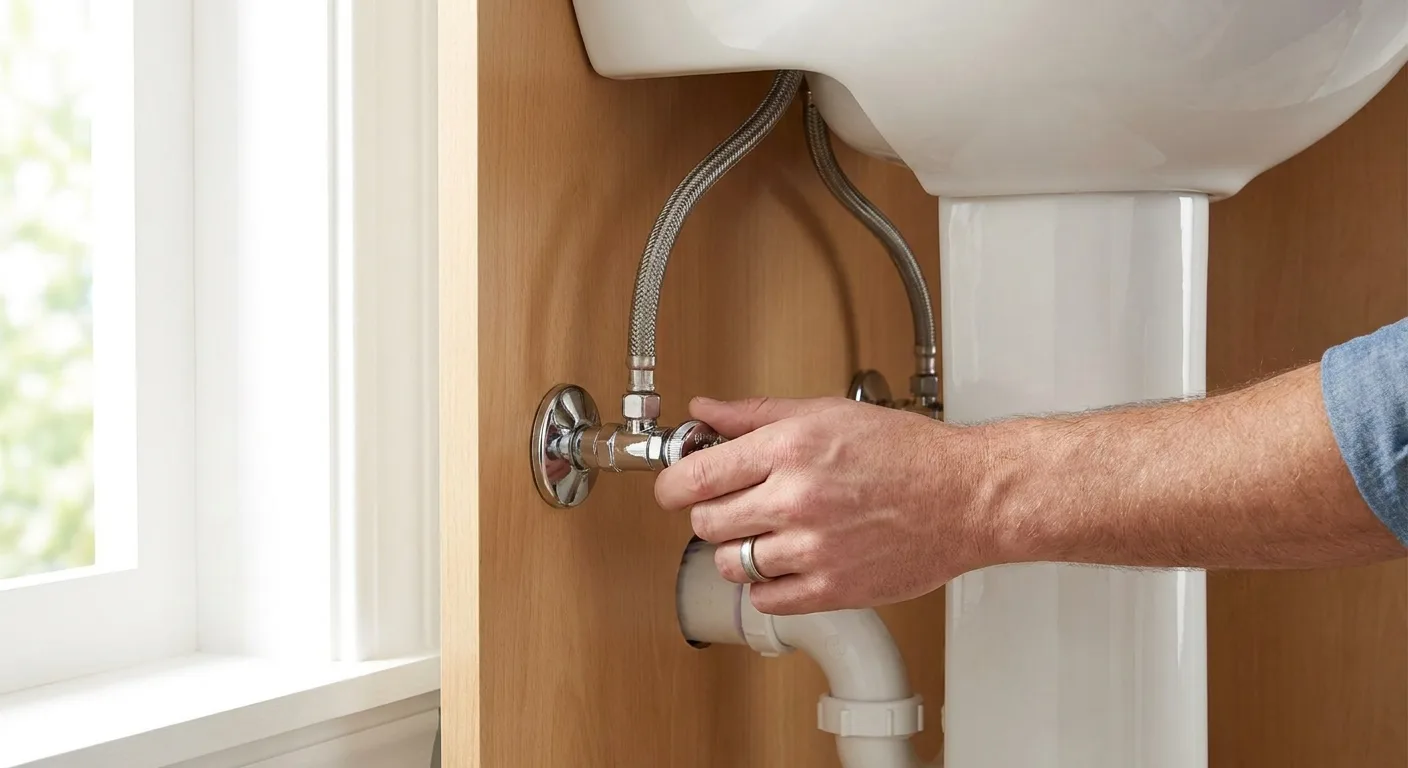
Stop all water use. No toilets, no sinks, no shower, no dishwasher, no laundry, no ice maker. Everything you send down a drain right now has nowhere to go and makes it worse. Tell everybody in the house, because one person flushing undoes it.
Keep people and pets away. Raw sewage carries bacteria, viruses and parasites. That’s a biological hazard, not a mess to clean up. Shut the bathroom door if you can.
Protect yourself if you have to go in. Waterproof gloves, boots and eye protection at minimum. Wash thoroughly afterward regardless of what you touched.
Check for electrical hazards. If water has reached outlets, appliances or extension cords, don’t walk into it. Kill power to that area at the breaker if you can reach it safely and dry. If you can’t, stay out.
Ventilate if you smell strong sewer gas. Open windows and doors. Leave the building if the smell is overwhelming or anybody feels dizzy, sick or short of breath.
Don’t run a fan or shop vac through it yet. Aerosolising sewage spreads contamination through the rest of the house.
Photograph everything before you touch it. If you end up filing an insurance claim, that’s documentation you can’t recreate later.
Why It Comes Up Through the Tub First
This confuses people, and the answer explains the whole problem.
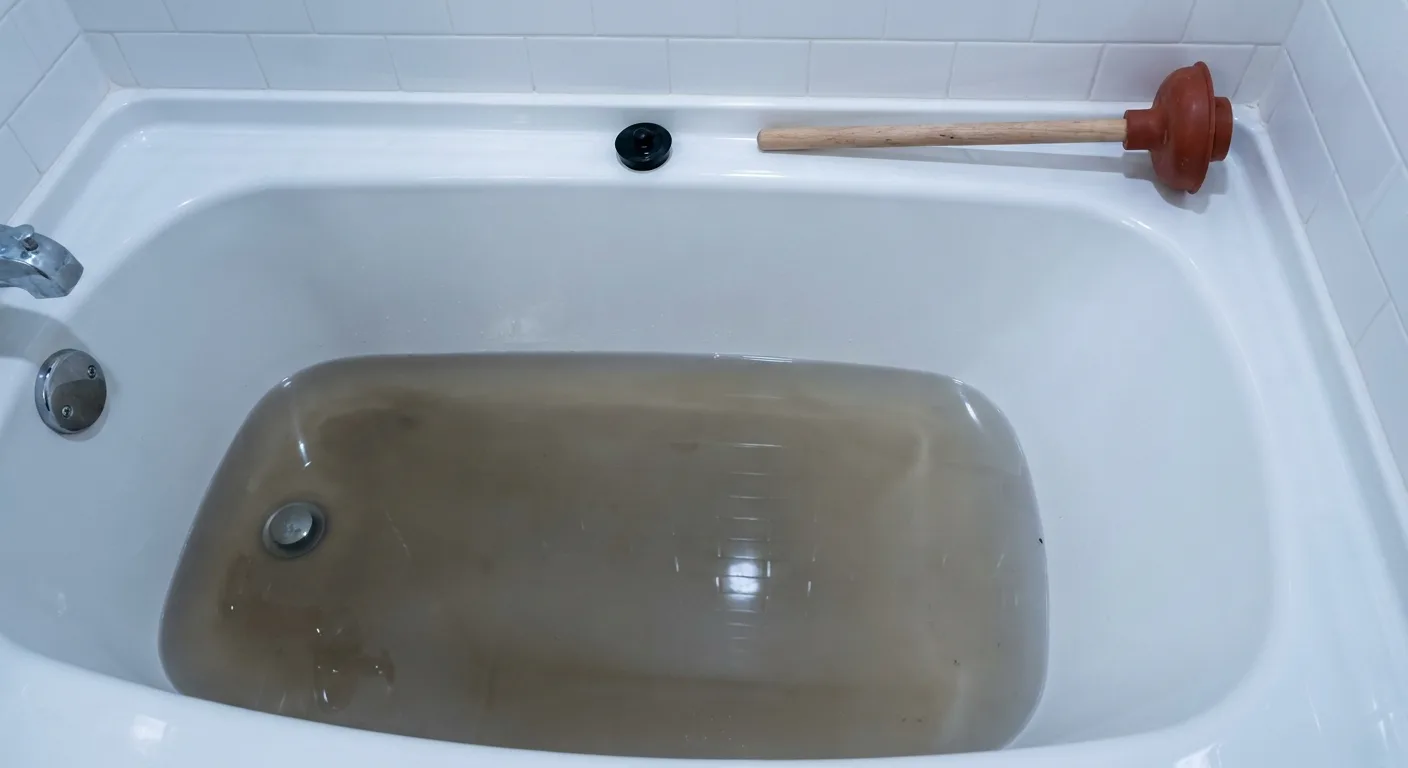
All your drains feed one line leaving the house. When that line is blocked, or the tank it drains into is full, wastewater has to go somewhere. It backs up and finds the lowest opening in the system.
That’s almost always a ground floor tub or shower, because those drains sit lower than every toilet and sink in the house.
So sewage in your tub doesn’t mean something’s wrong with your tub. It means something’s wrong downstream of everything, and your tub is just the first place it shows.
That also tells you the scale. A backup at one fixture is a local clog. A backup at the lowest fixture in the house means the main line or the septic system.
What not to do
Don’t flush again to see if it clears. It won’t, and every flush adds volume.
Don’t pour drain cleaner down it. Chemical cleaners do nothing for a full tank or a saturated field. On septic they kill the bacteria doing your treatment work, and they leave a hazard for whoever opens the line afterward.
Don’t rent a snake and go at the main line blind. If the cause is a full tank there’s nothing to snake. You’ll spend the afternoon confirming that.
Never go into a septic tank. Not to look, not to unclog it, not for any reason. A tank is a confined space full of gas that pushes the oxygen out and can drop a person in seconds. If somebody falls in, call 911 and do not follow them. Rescue attempts by family are how one person in trouble becomes two.
Don’t pump the tank yourself while the ground is flooded. This one is counterintuitive and specific to wet conditions. When the soil is saturated, an emptied tank can float and lift right out of the ground. That turns a backup into a full system replacement. After heavy rain, ask your contractor before anybody pumps.
The Four Causes
A full septic tank. Most common and most preventable. Solids build up until there’s no working volume left. If it’s been more than three to five years since the last pump-out, start there. Pumping schedules and pricing.
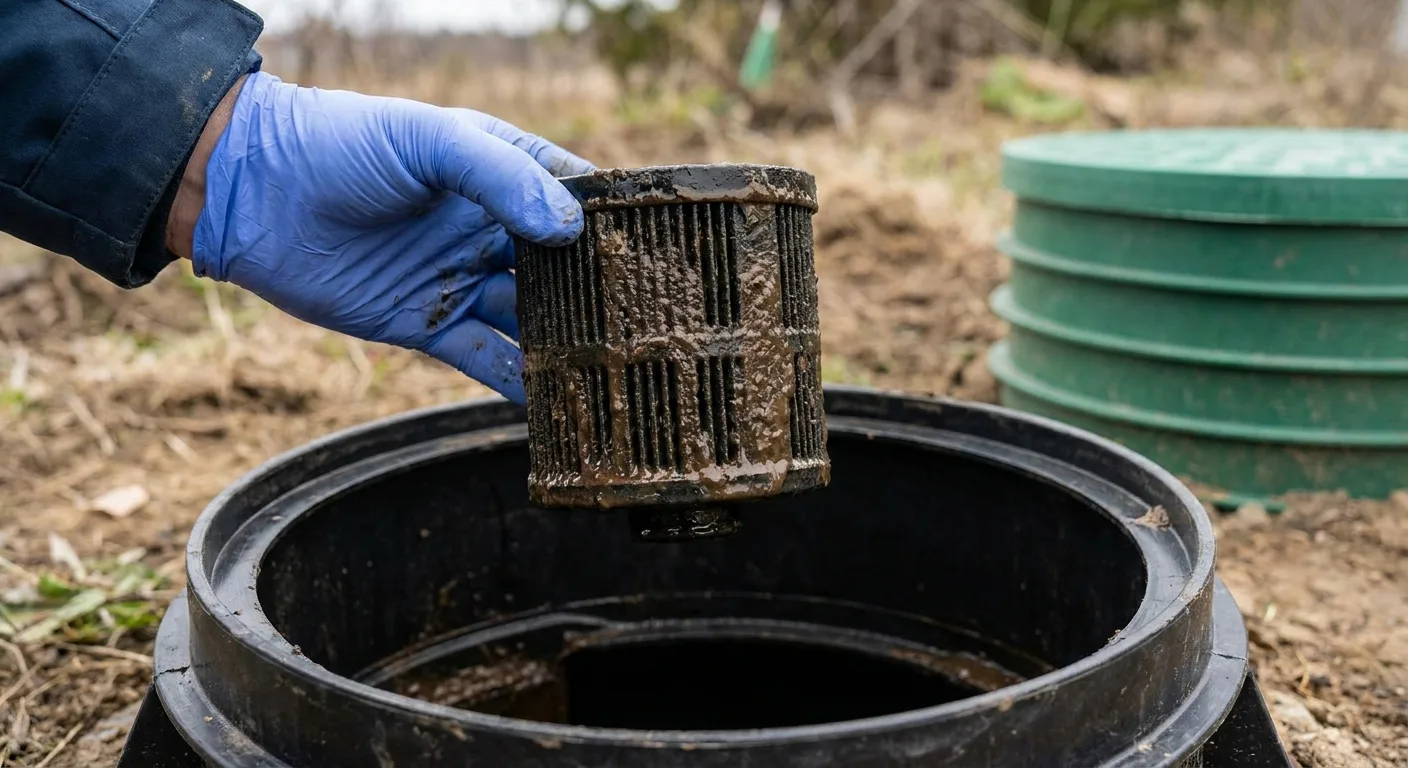
A plugged effluent filter. A lot of systems put in after the mid-1990s have one on the tank outlet. When it clogs, flow stops leaving the tank and backs into the house. It looks identical to a full tank and takes about five minutes to clean. Ask about it before anybody quotes you anything larger. Cheap fixes that look expensive.
A blocked or broken main line. Tree roots, grease, settlement, or collapsed pipe between the house and the tank. Roots are the usual culprit on older properties with big oaks.
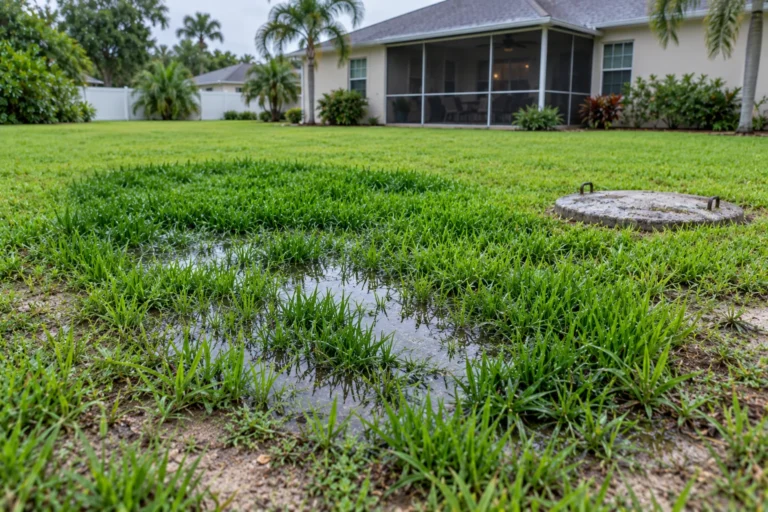
A saturated drain field. The field has quit taking flow, so the tank stays full no matter how recently it was emptied. This is the expensive one, and it almost always gave you months of warning first. Signs a field is going.
Is It an Emergency or Can It Wait?
Sewage inside the house is always same-day. But it helps to know what you’re describing when you call.
Call now:
- Sewage backing up into any fixture
- Sewage surfacing in the yard where people or pets go
- Strong sewer gas indoors that won’t clear
- A septic alarm sounding
- A failed or collapsed tank lid, which is an open hole
Morning is fine:
- Slow drains with no backup yet
- Gurgling toilets
- A damp patch over the drain field with nothing surfacing
When you call, have this ready: whether you’re on septic or sewer, when the tank was last pumped, whether it’s rained heavily, and which fixtures are affected. That shapes what they bring on the truck. More on emergency service.
Cleaning Up Afterward
Sewage contamination isn’t an ordinary cleaning job.
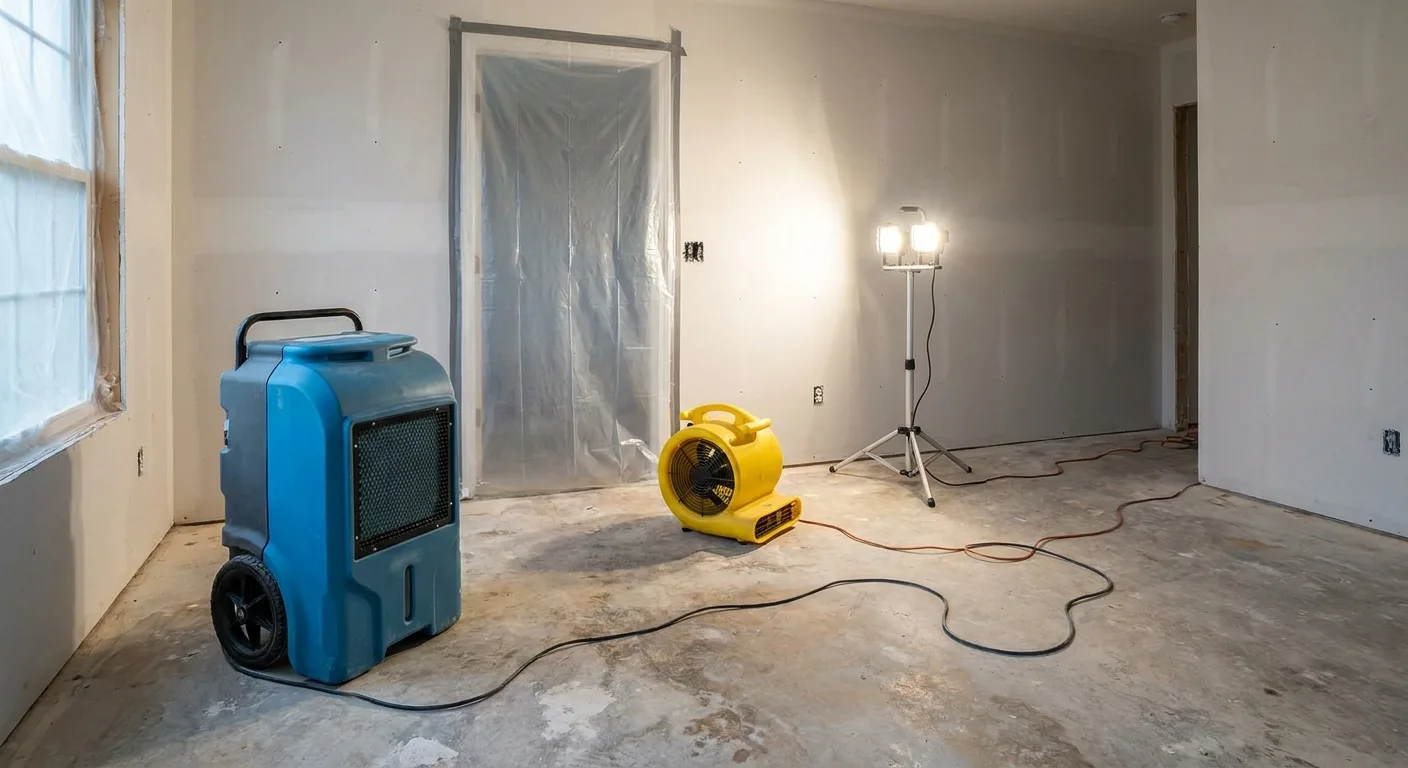
Porous materials generally can’t be saved. Carpet, padding, drywall that wicked water, insulation and particle board all need removing rather than cleaning. Bacteria get into the material.
Hard surfaces need disinfecting, not just washing. Tile, sealed concrete and non-porous fixtures can usually be saved.
For anything past a small contained area, use a professional remediation service. They have the equipment, the protection and the drying capability. Your health matters more than the cost difference, and your insurer may require documented professional remediation before paying anything.
Dry it out completely. Moisture left in wall cavities produces mould within days in a Florida climate.
On insurance. Homeowners policies commonly exclude septic failure caused by age, wear or lack of maintenance. Coverage for resulting water damage inside the home varies by policy and by cause. Call your carrier early rather than assuming either way, and go back to the photographs you took before cleanup.
After the Emergency, Get the Actual Diagnosis
The visit that stops the backup isn’t the visit that fixes the problem.
Once flow is restored, get it properly diagnosed. That means opening the tank, checking the effluent filter, inspecting the distribution box, and running a water load test on the field.
A backup is a symptom. Something caused it, and if nobody works out what, it’ll happen again and you’ll have paid twice for the same emergency.
Then prevent the next one. Pump every three to five years. Have the effluent filter cleaned at every pump-out. Fix running toilets. Keep vehicles and livestock off the drain field. Send gutters somewhere else.
Questions People Ask
Get Emergency Help Now
If sewage is in your home right now, stop using water, keep children and pets clear of the area, and call.
We dispatch licensed Marion County septic contractors around the clock for backups, overflows and sewage surfacing in the yard.
Free to you, no obligation. If the immediate problem is contained and you need the underlying cause diagnosed, use the quote form instead.
Serving Ocala, Belleview, Dunnellon, Summerfield, Silver Springs Shores, Marion Oaks and all of Marion County.